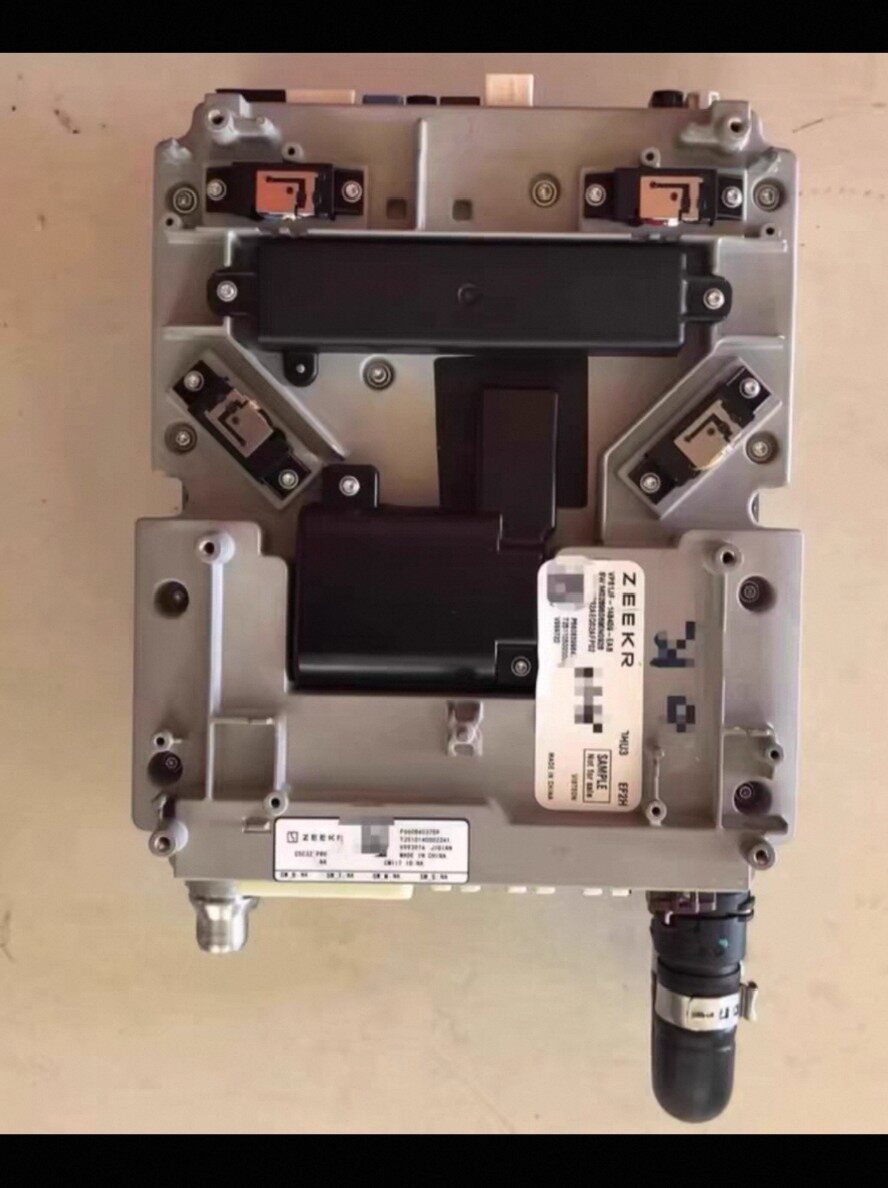
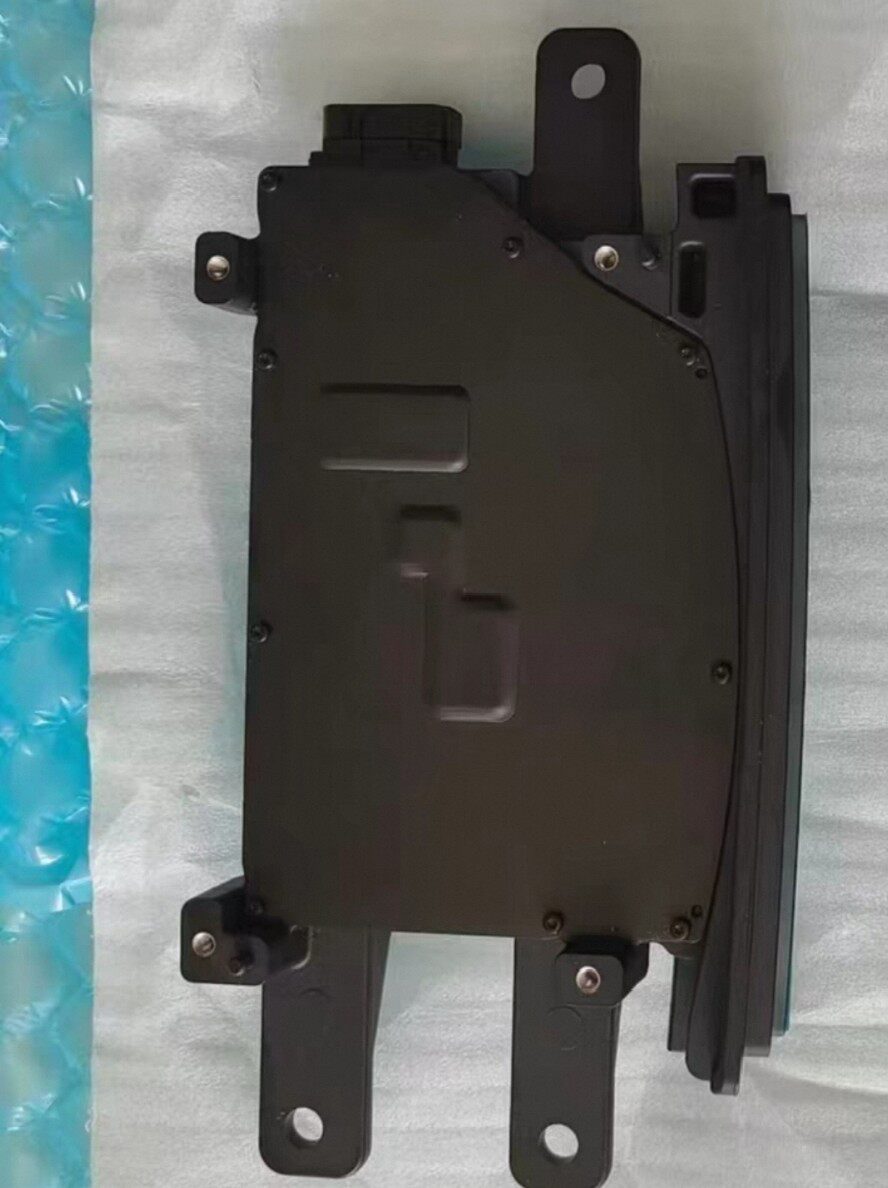
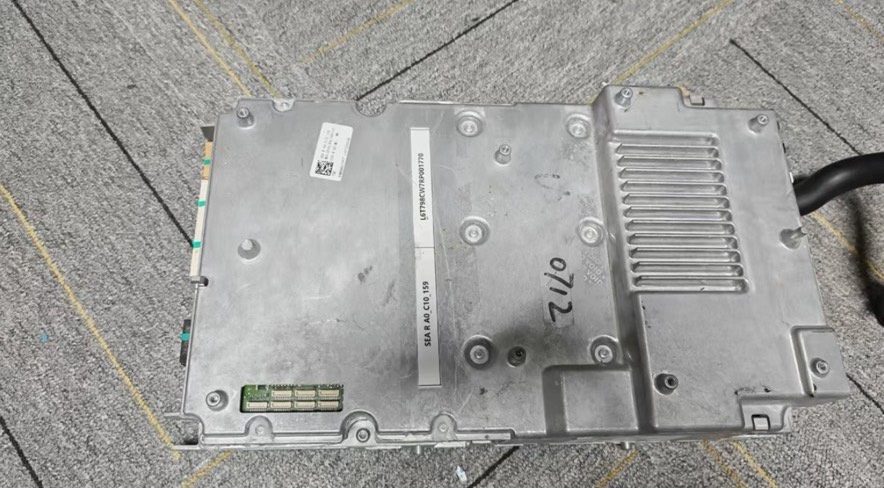
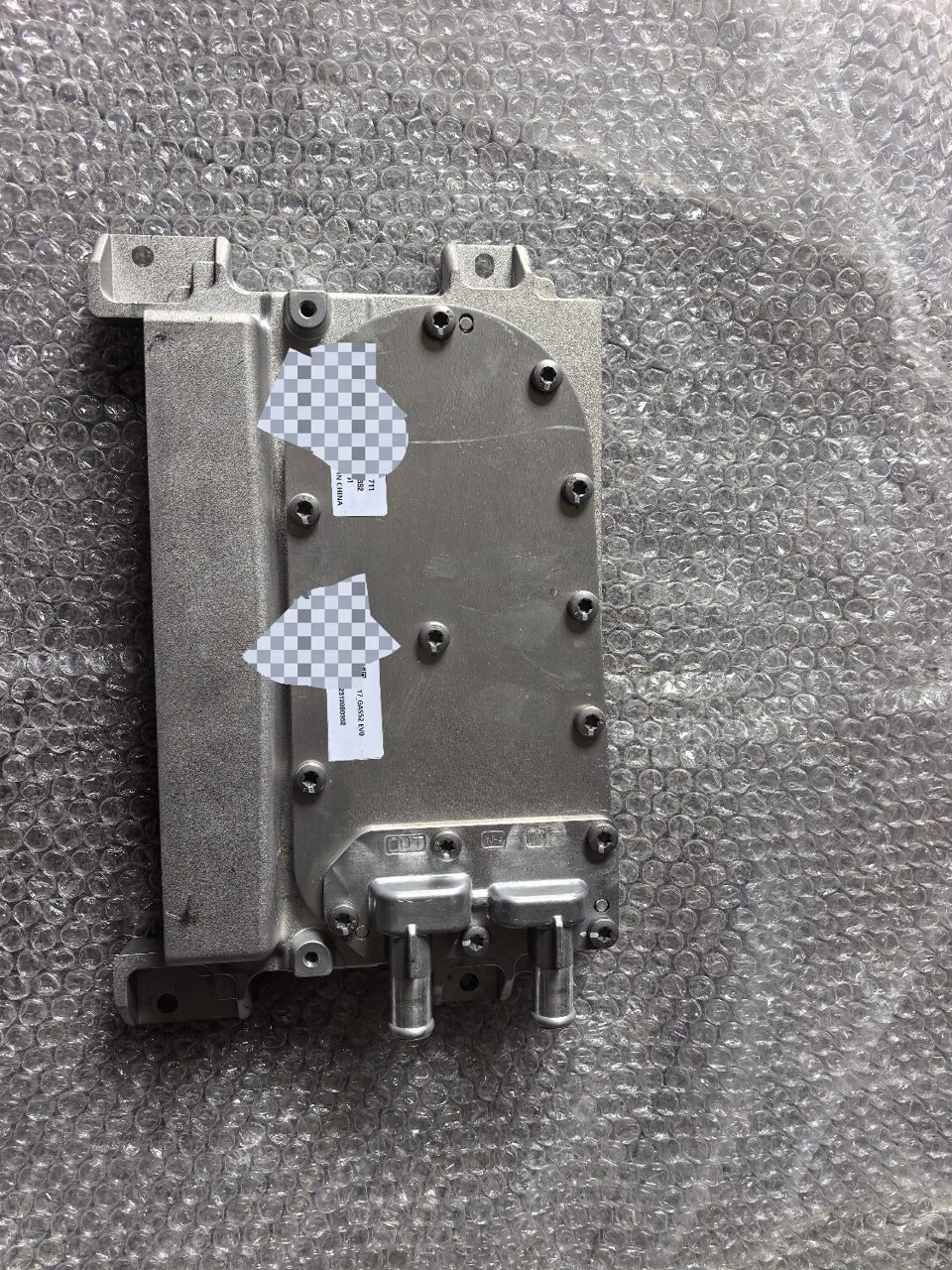
ZEEKR has moved its vehicle electronics through three generations in four years, and this list shows all three side by side. Every unit here is a physical part removed from a running vehicle: central computing platforms, LiDAR heads, head-up displays, cabin screens and the small body electronics that rarely survive a salvage listing.
How the electronic layer is split
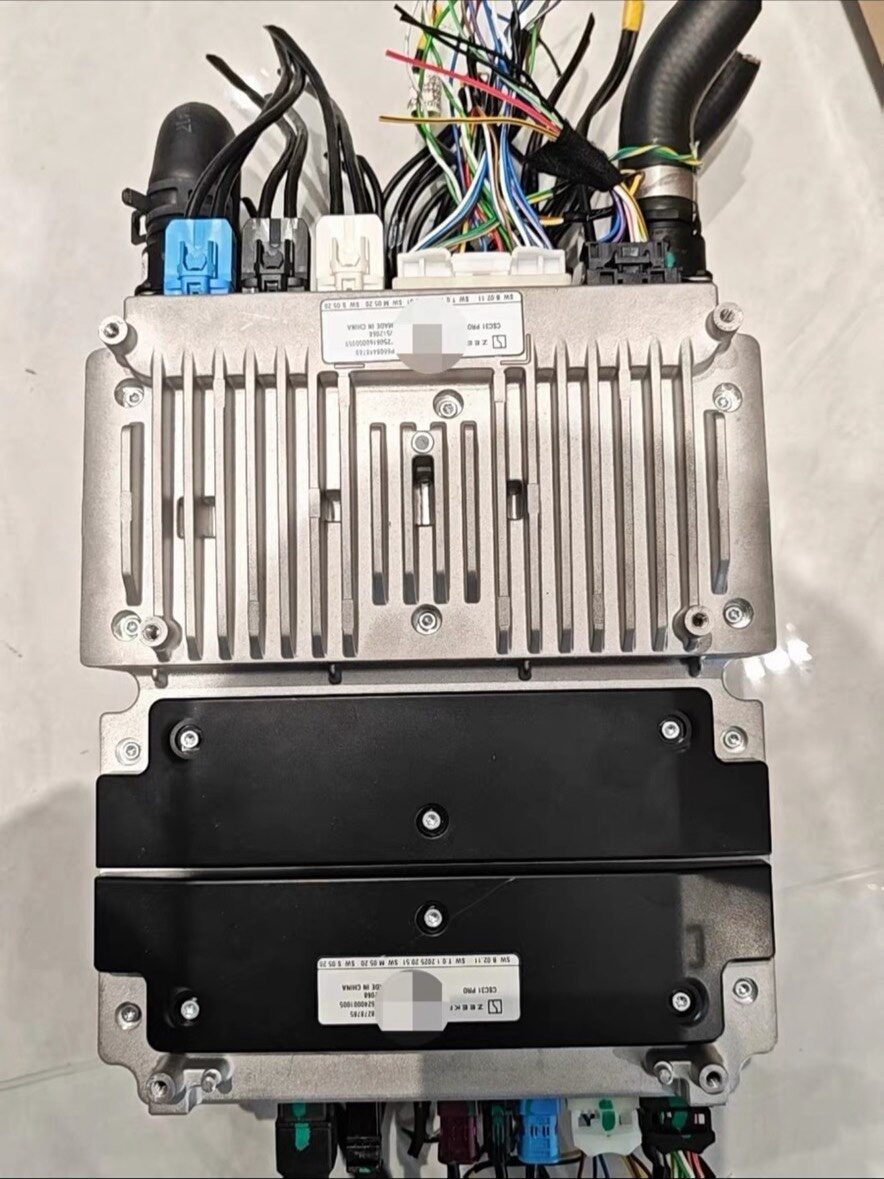
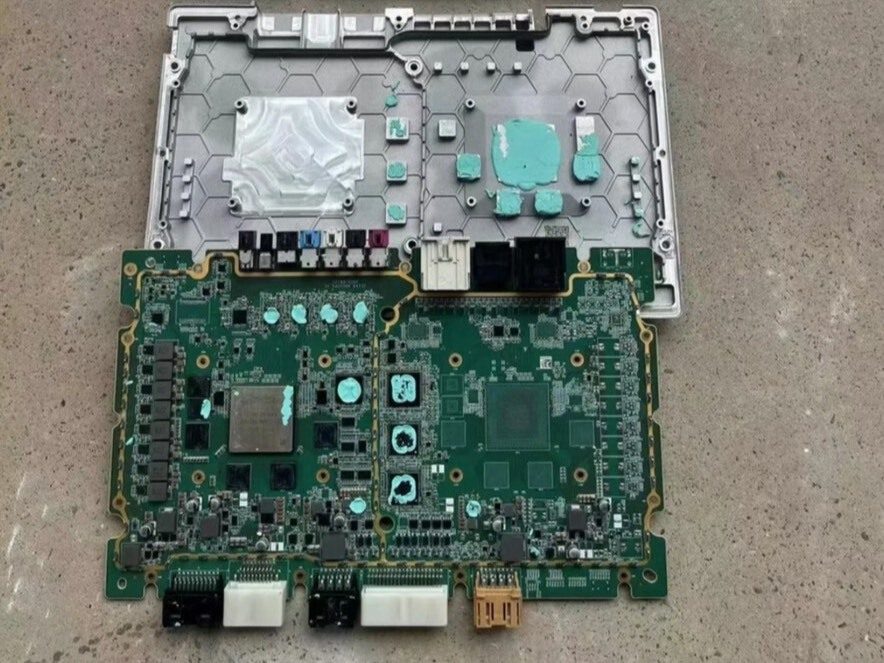
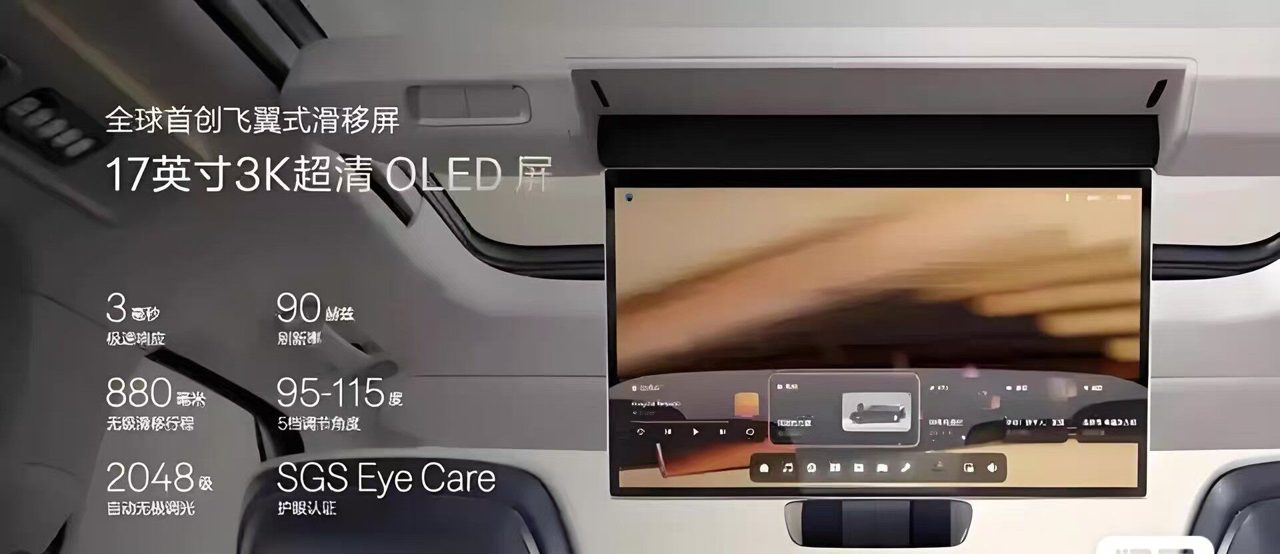
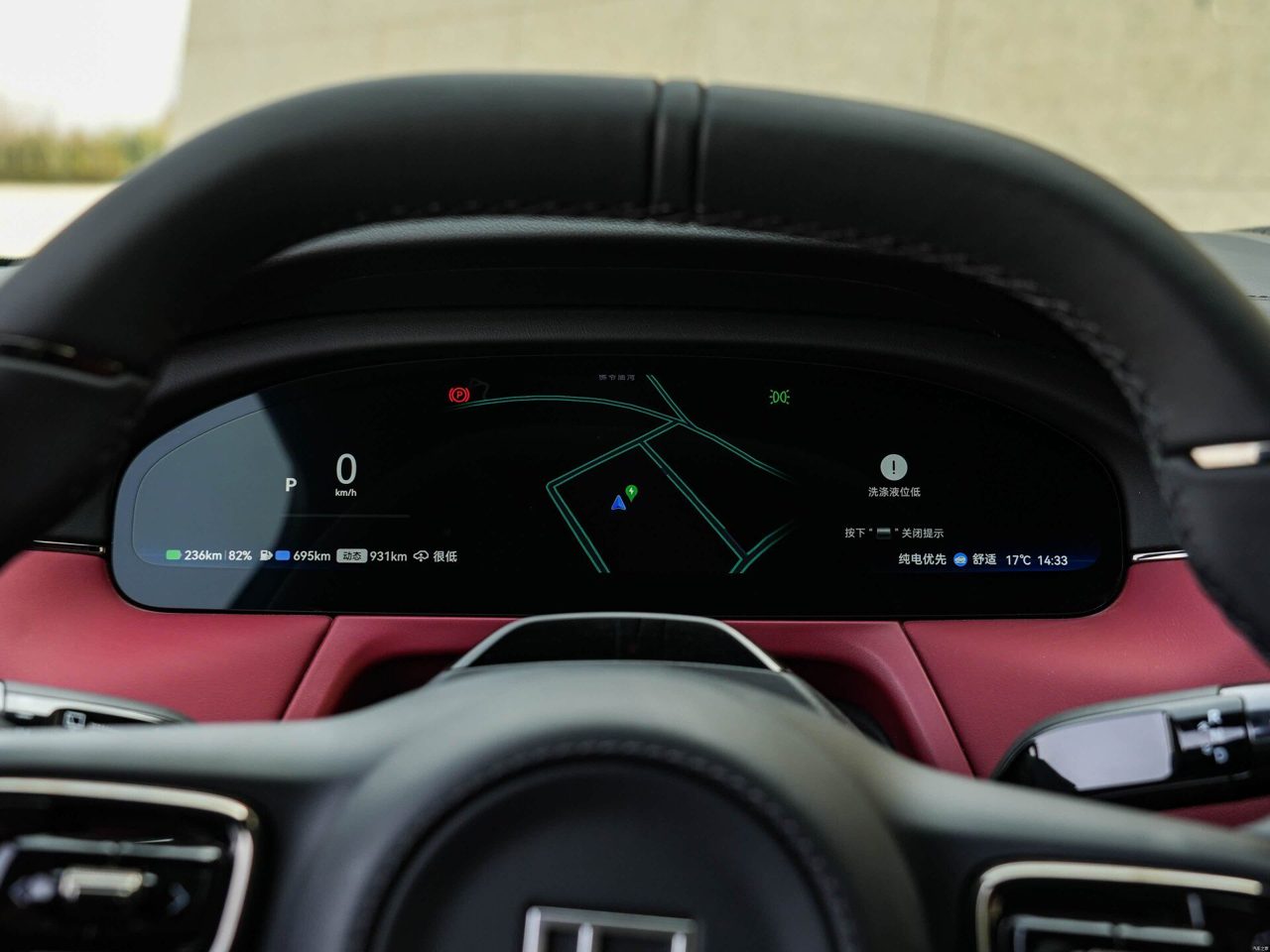
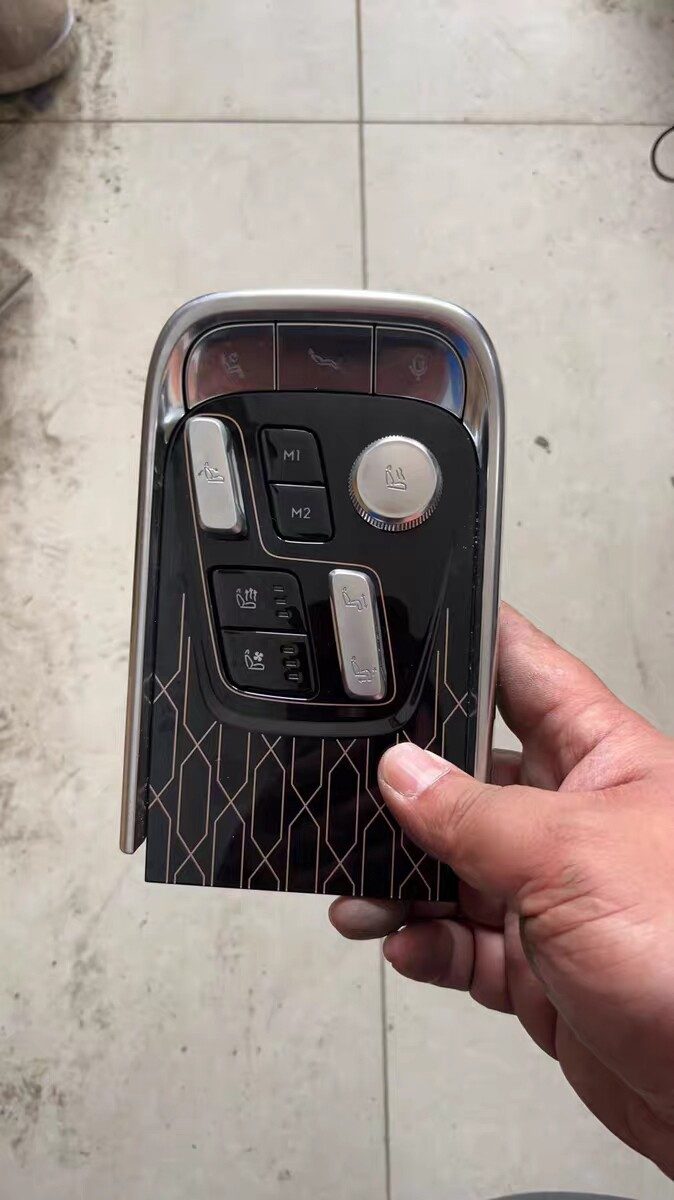
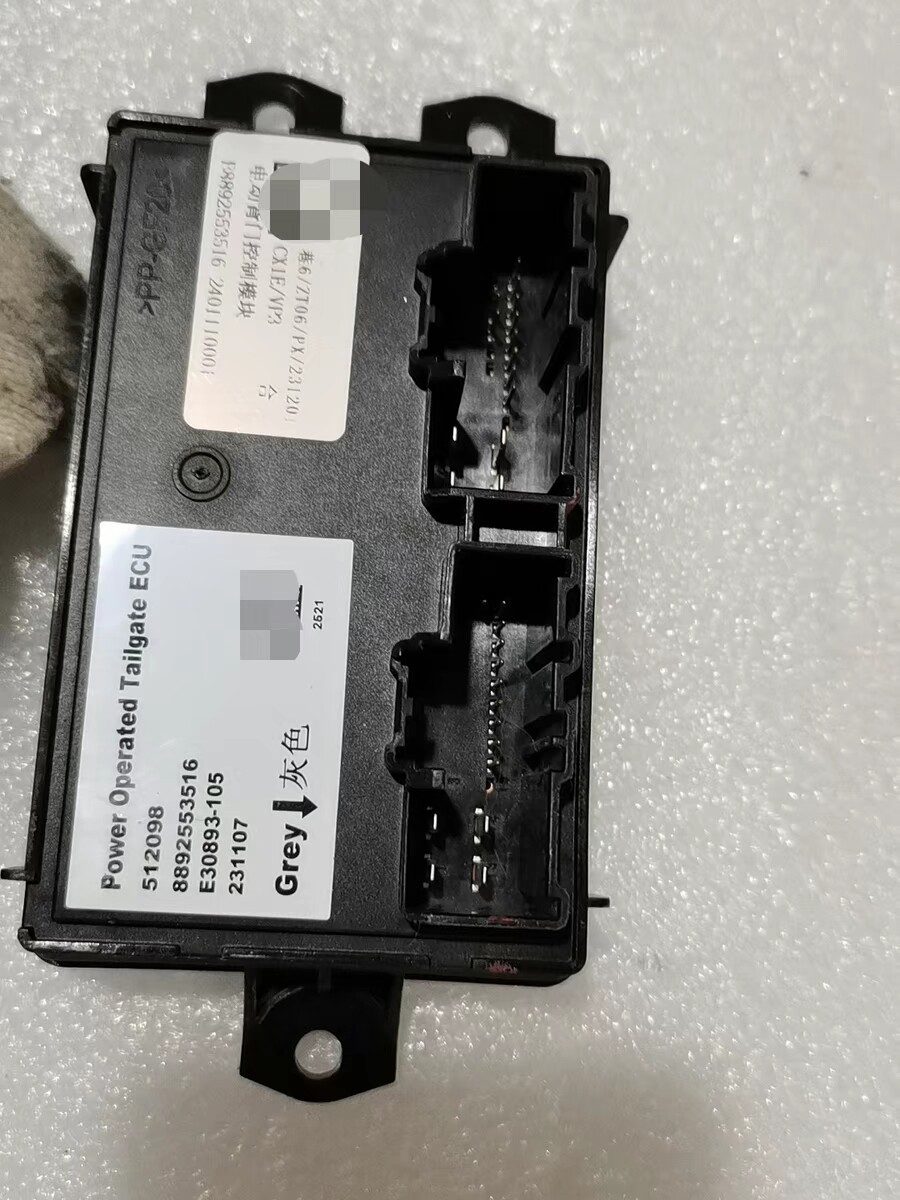
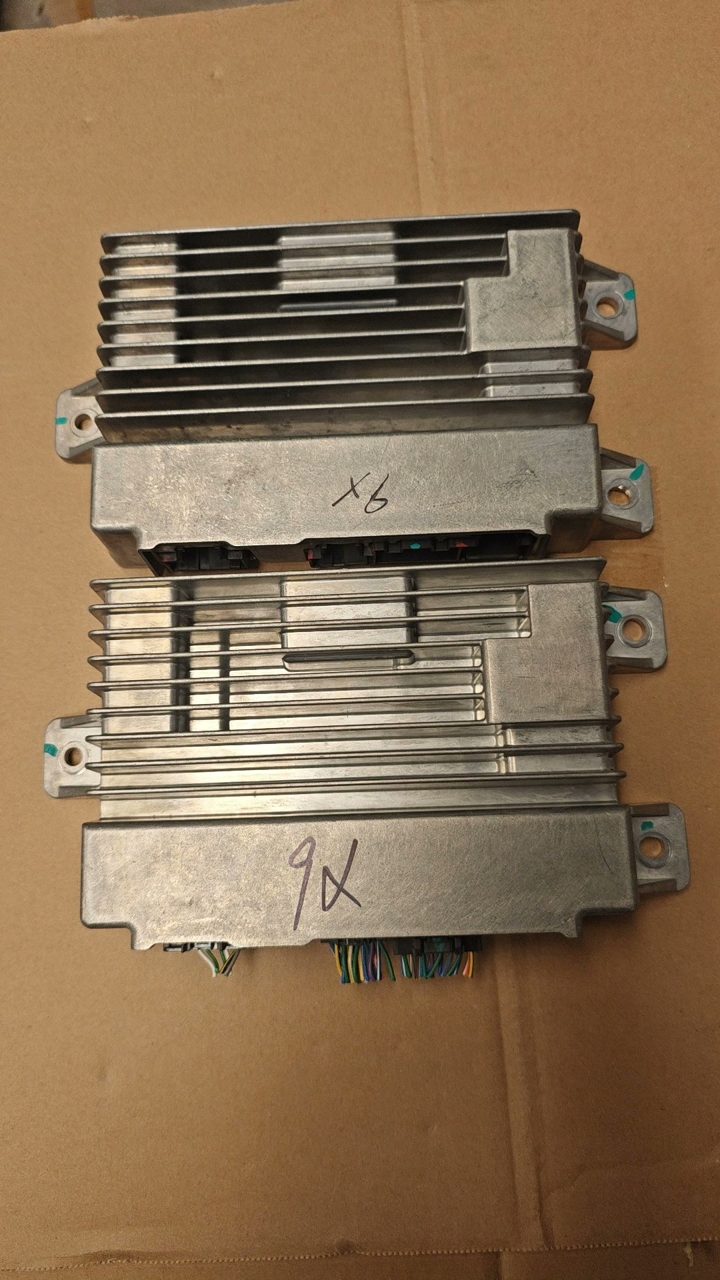
The architecture runs bottom to top. Sensors sit first: LiDAR heads, windscreen-mounted binocular cameras and body cameras that feed the driving stack. Above them the control layer decides how much of the car is centralised, and this is where ZEEKR's generations diverge most. The 001 and 007 use a distributed arrangement with separate autonomous-driving modules and body controllers. The 7X adds a head-up display and a single centre display. The 8X and 9X consolidate into a central computing unit that carries both driving and cockpit workloads, with a second unit acting as a platform controller. The top layer is what the owner sees: wing screens, rear overhead screens, centre-stack displays and instrument clusters. Body and convenience electronics close it out, covering tailgate control modules, Bluetooth and wireless terminal modules, amplifiers, seat modules and seat switch panels.
What changes between models
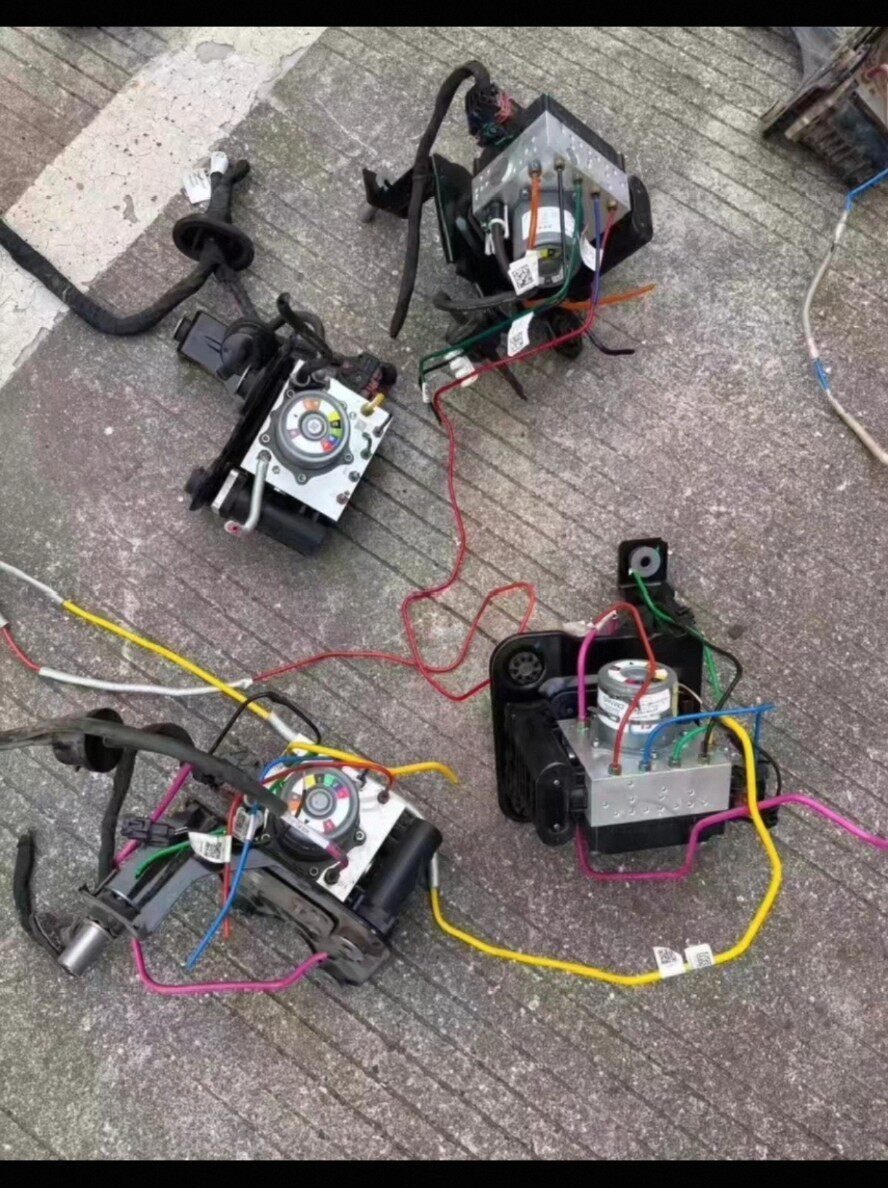
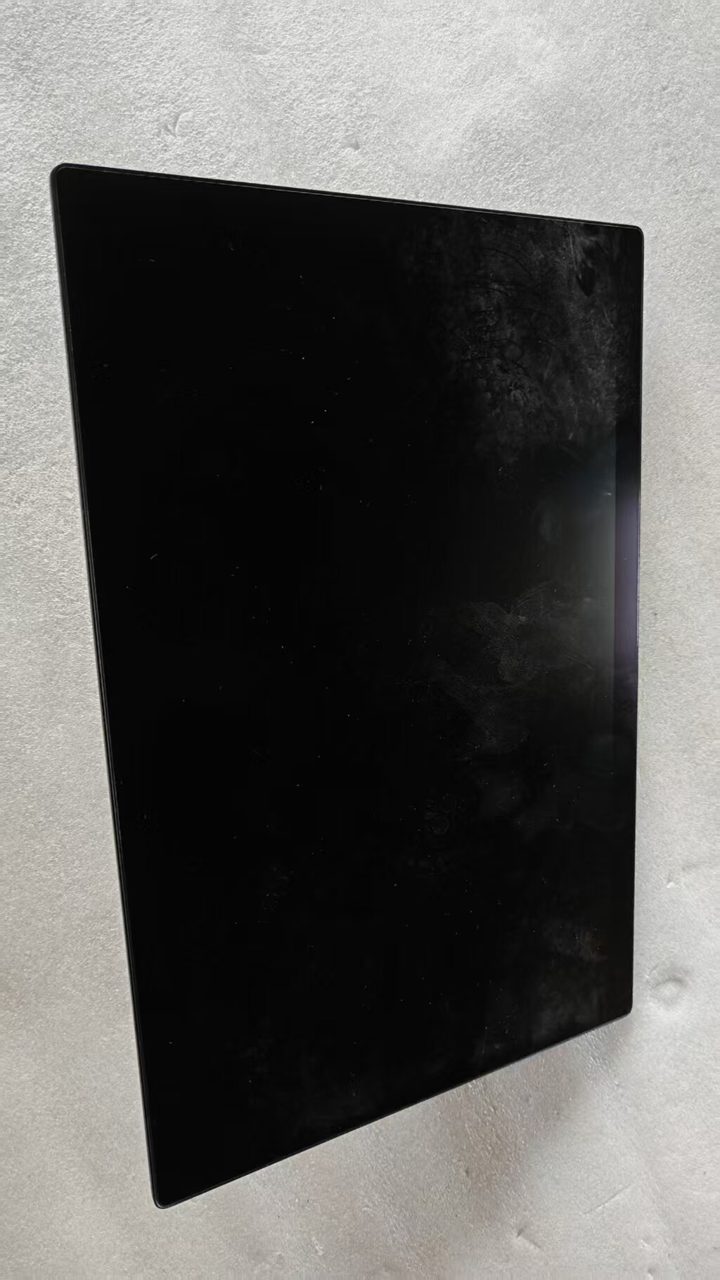
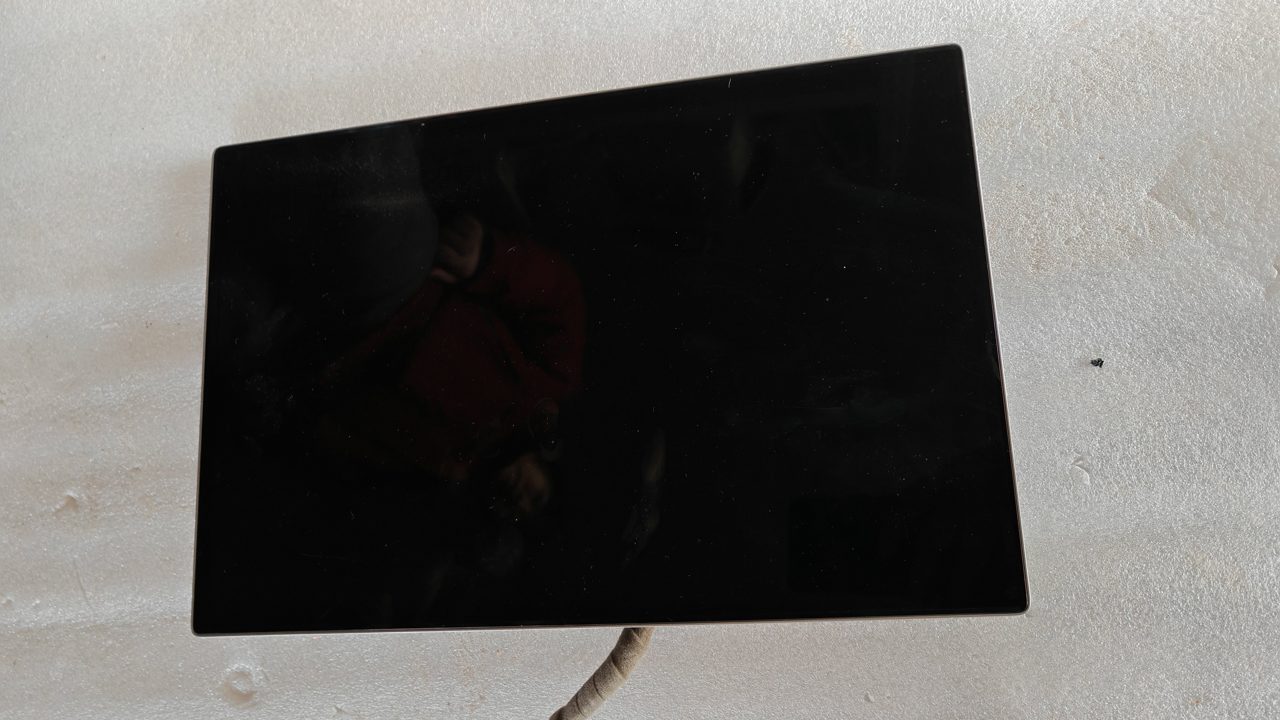
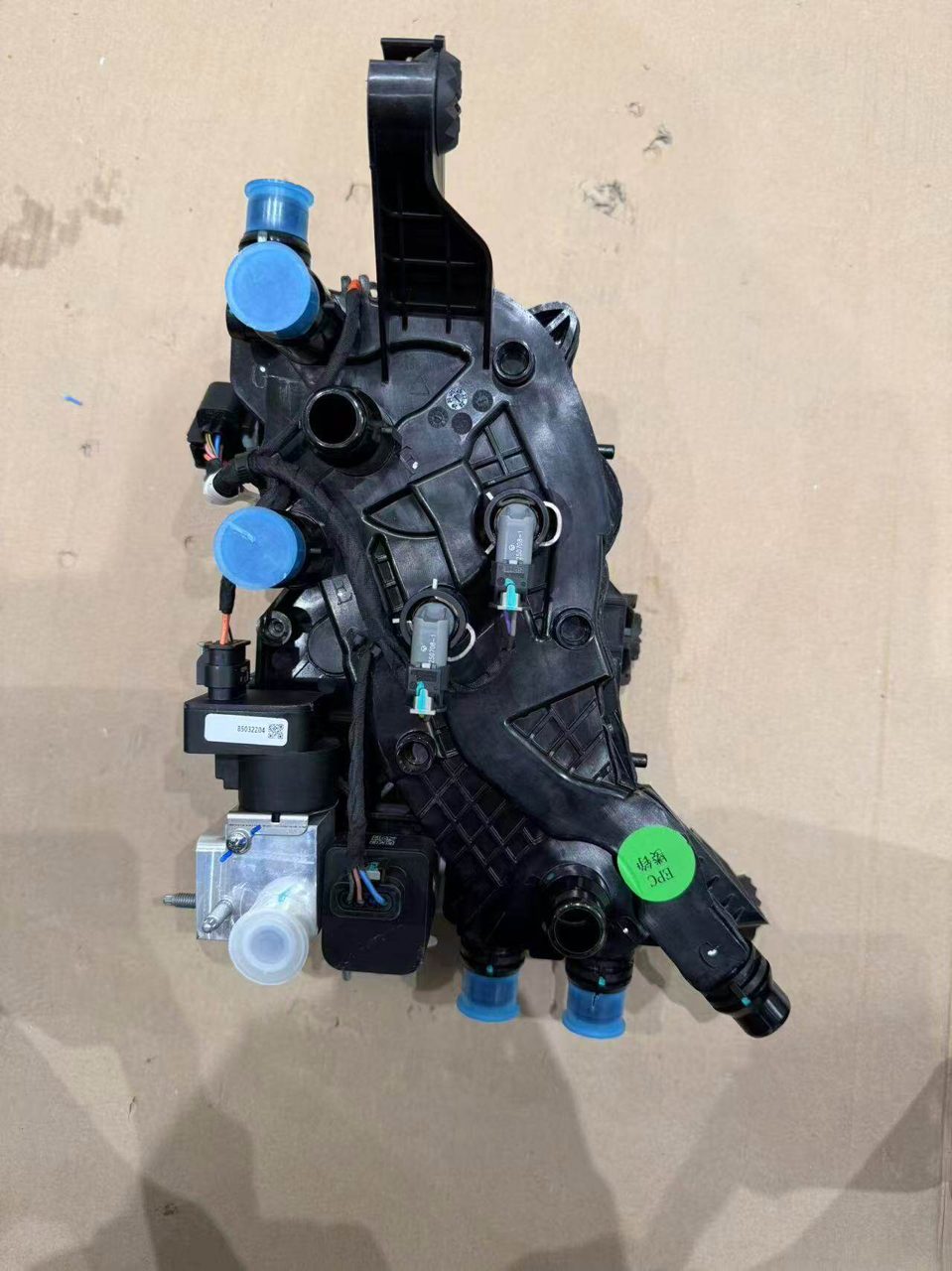
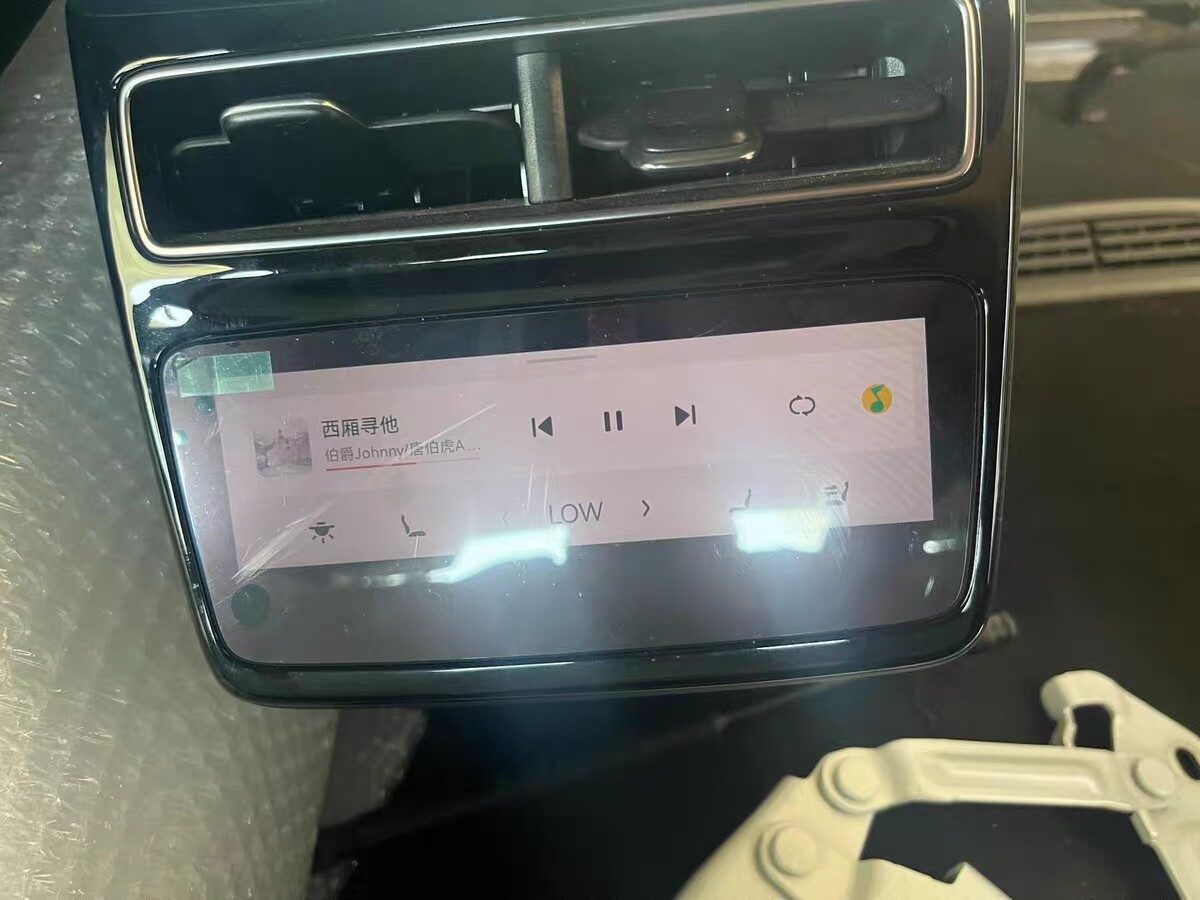
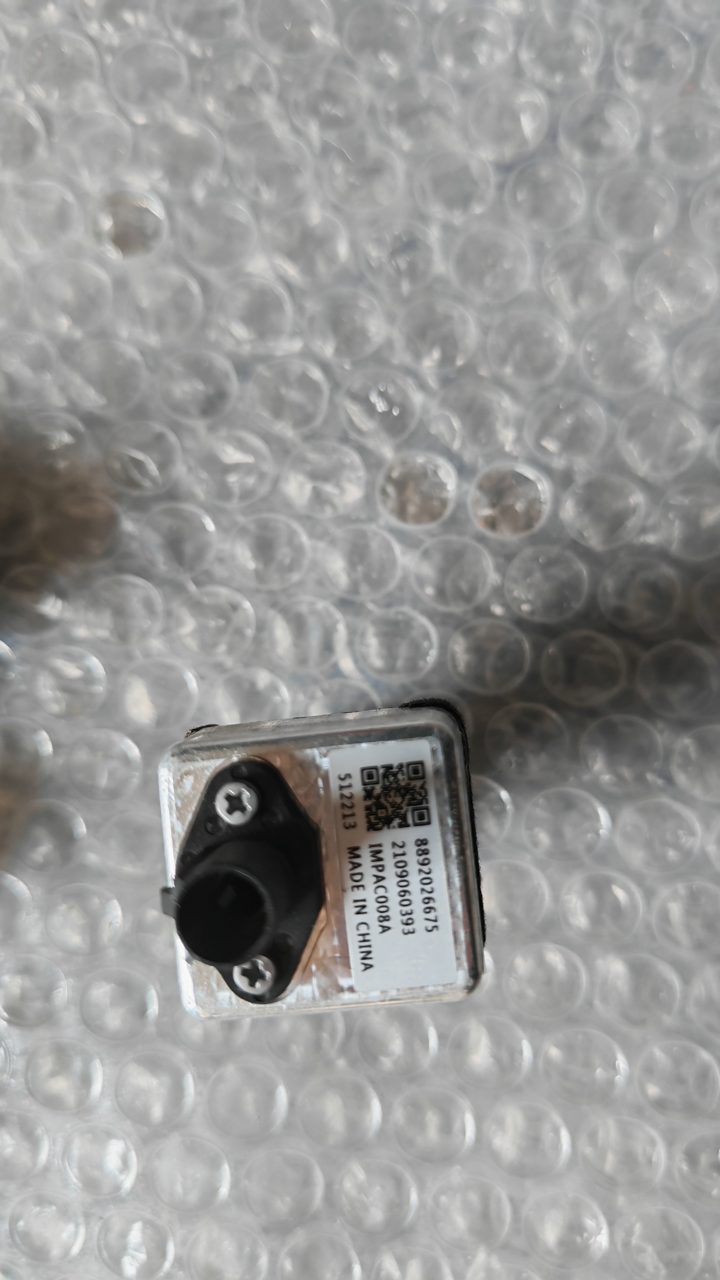
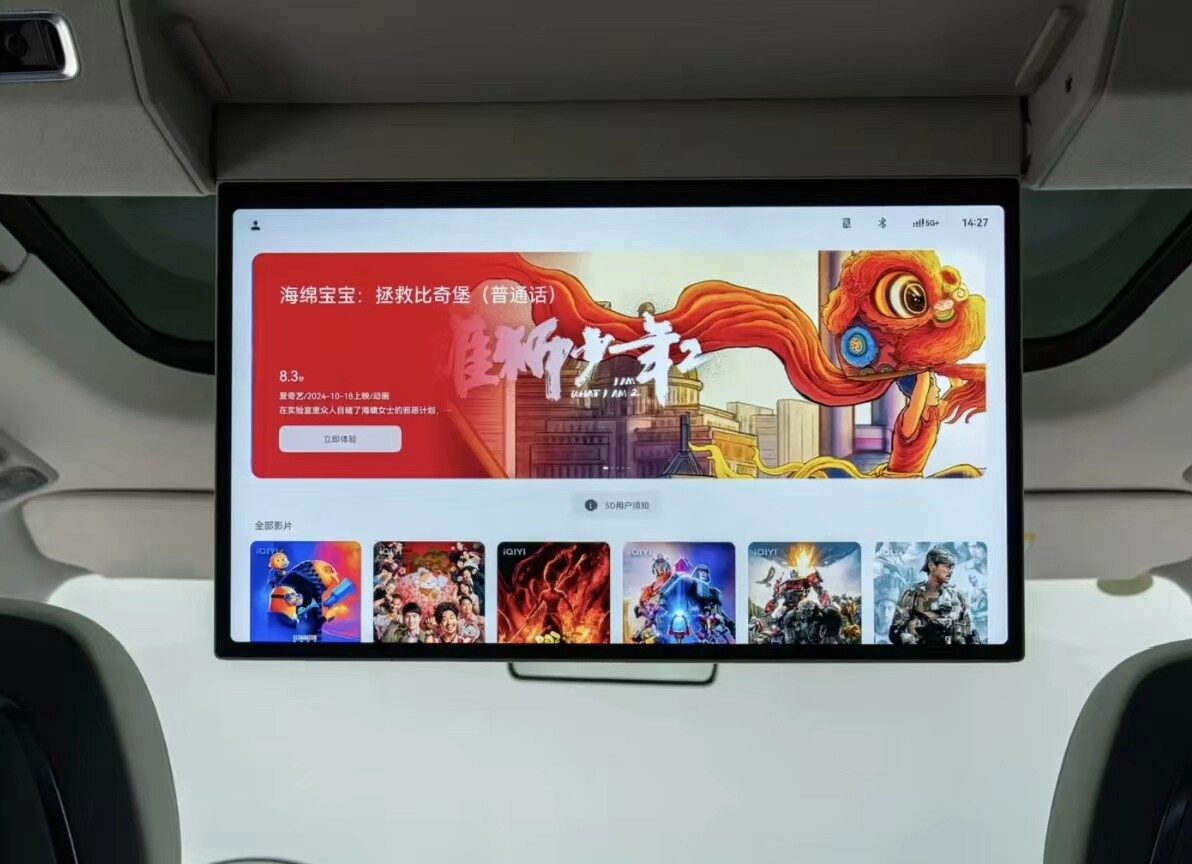
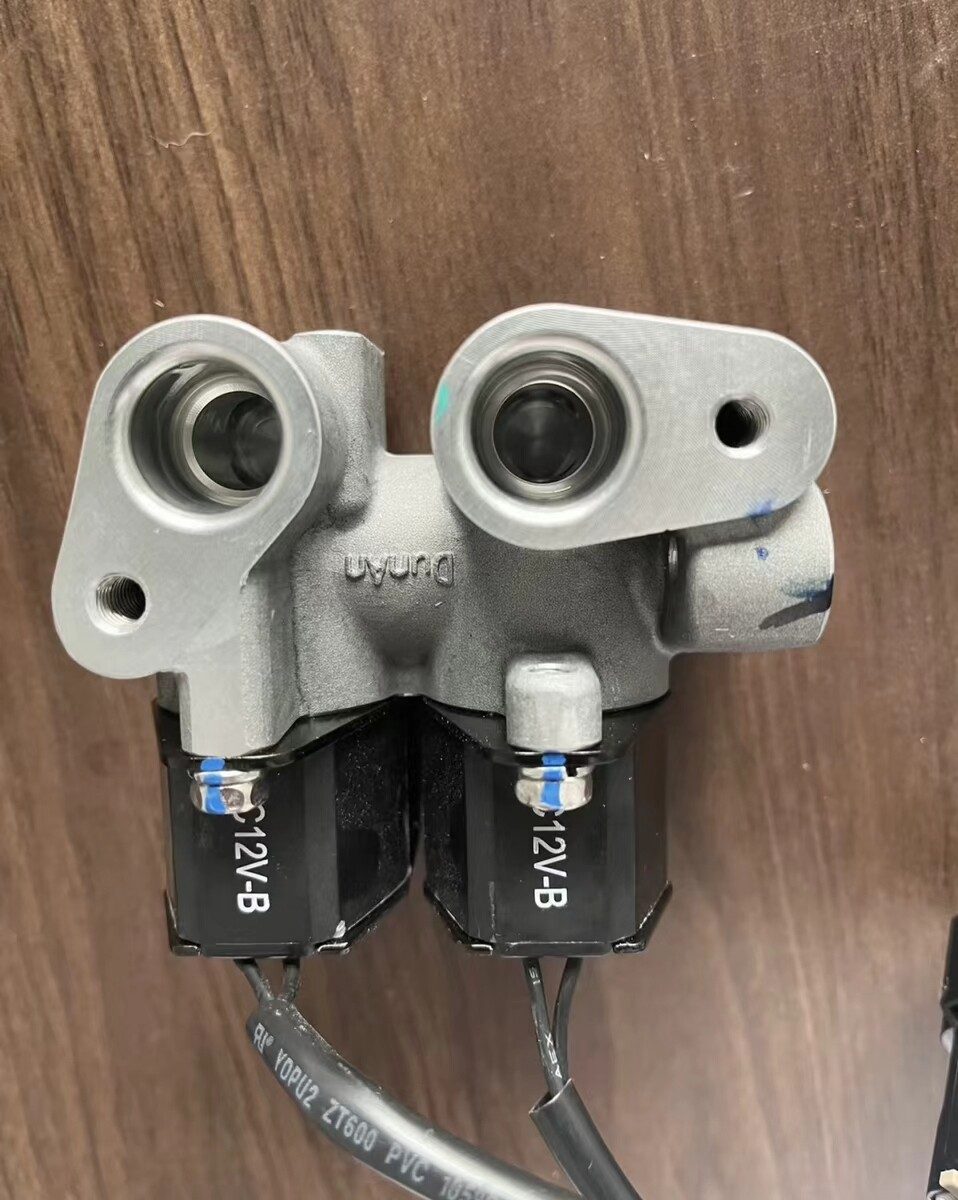
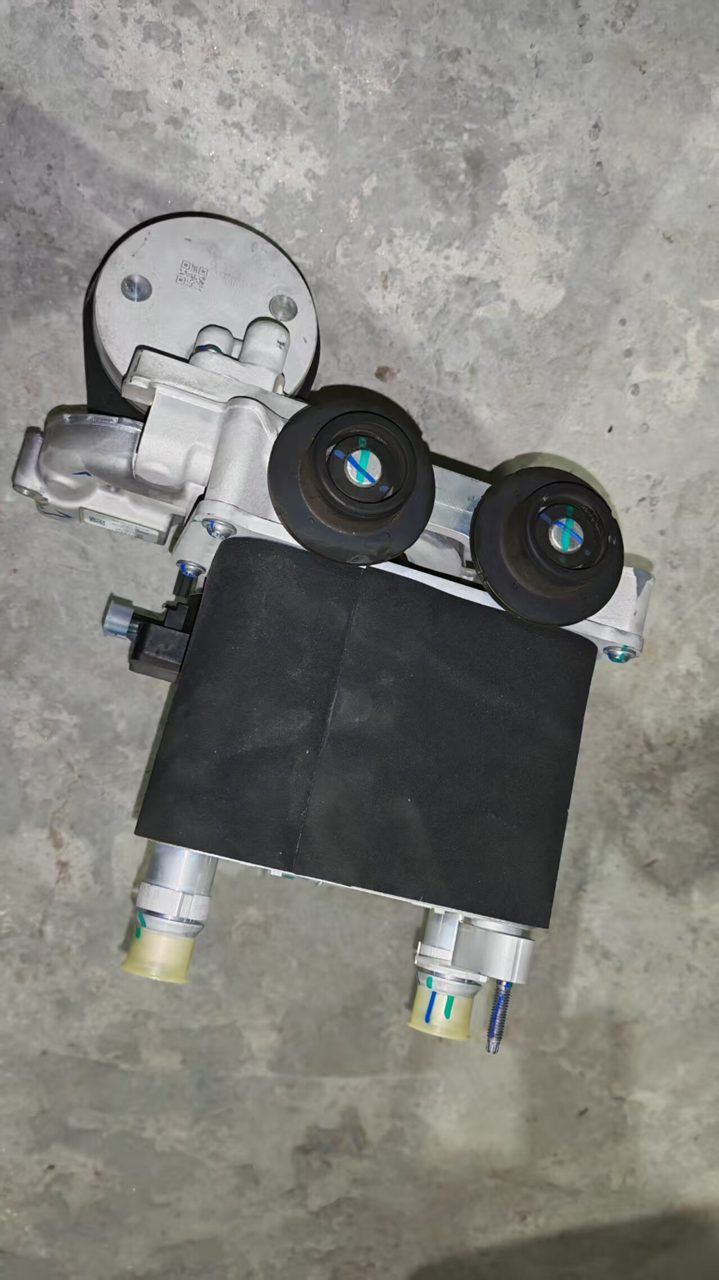
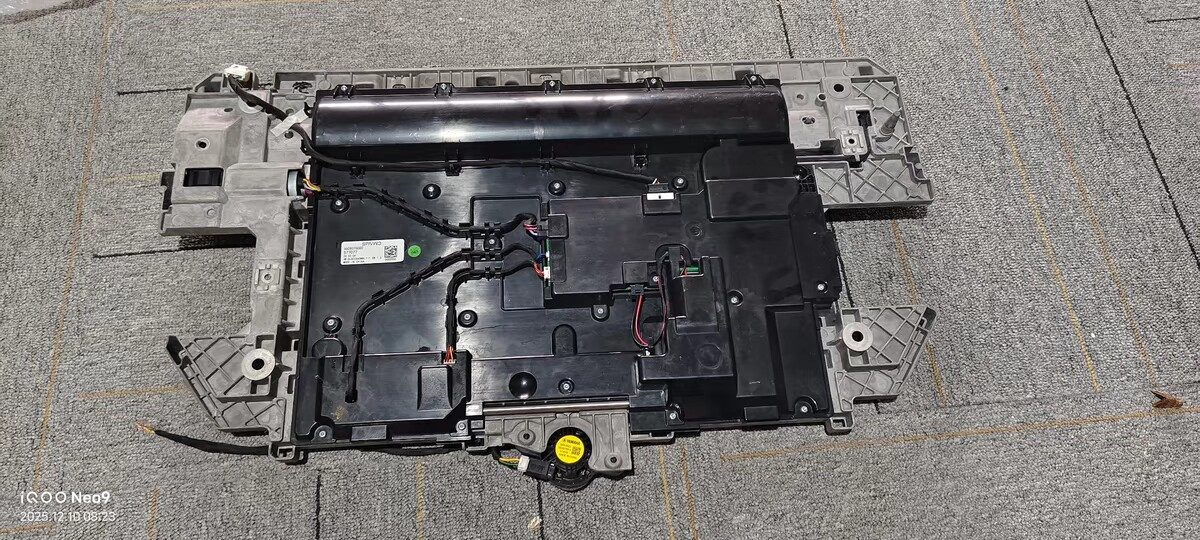
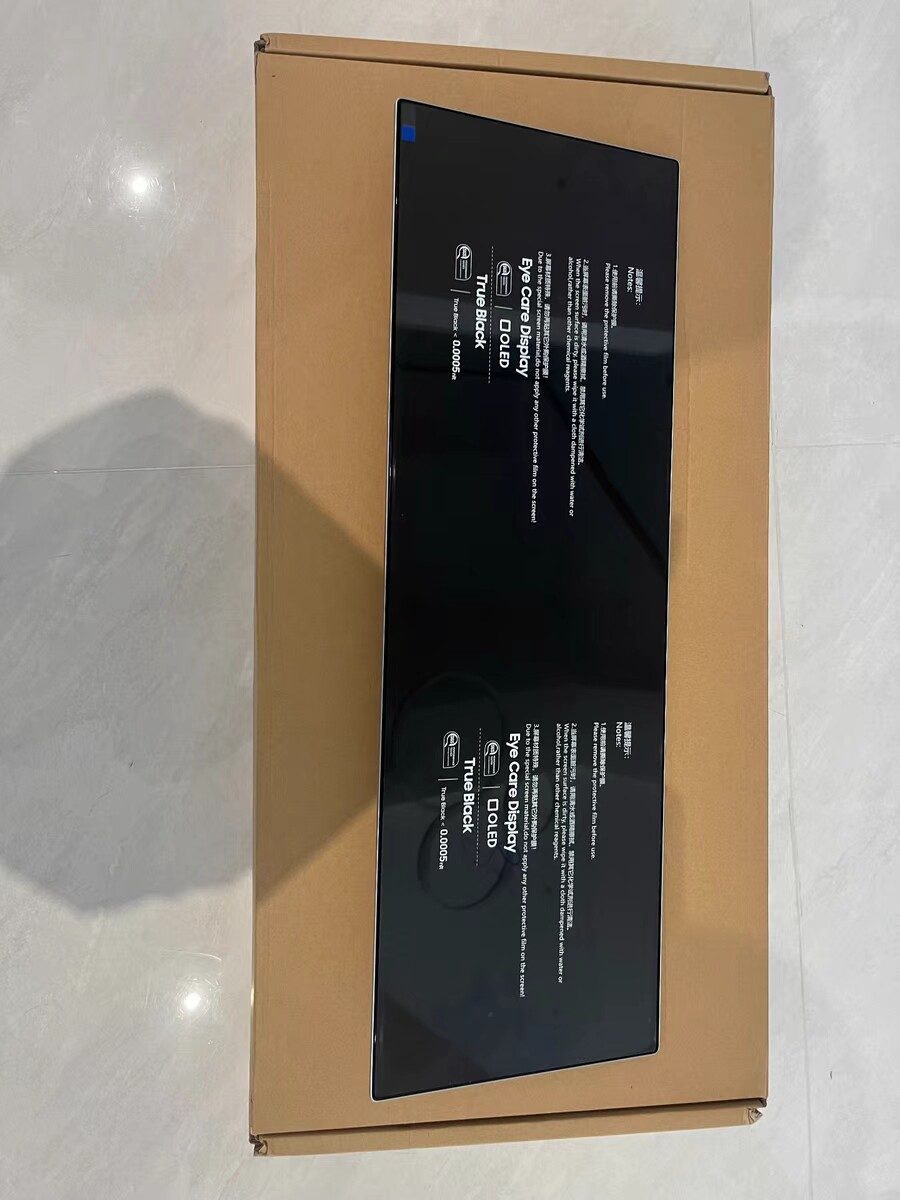
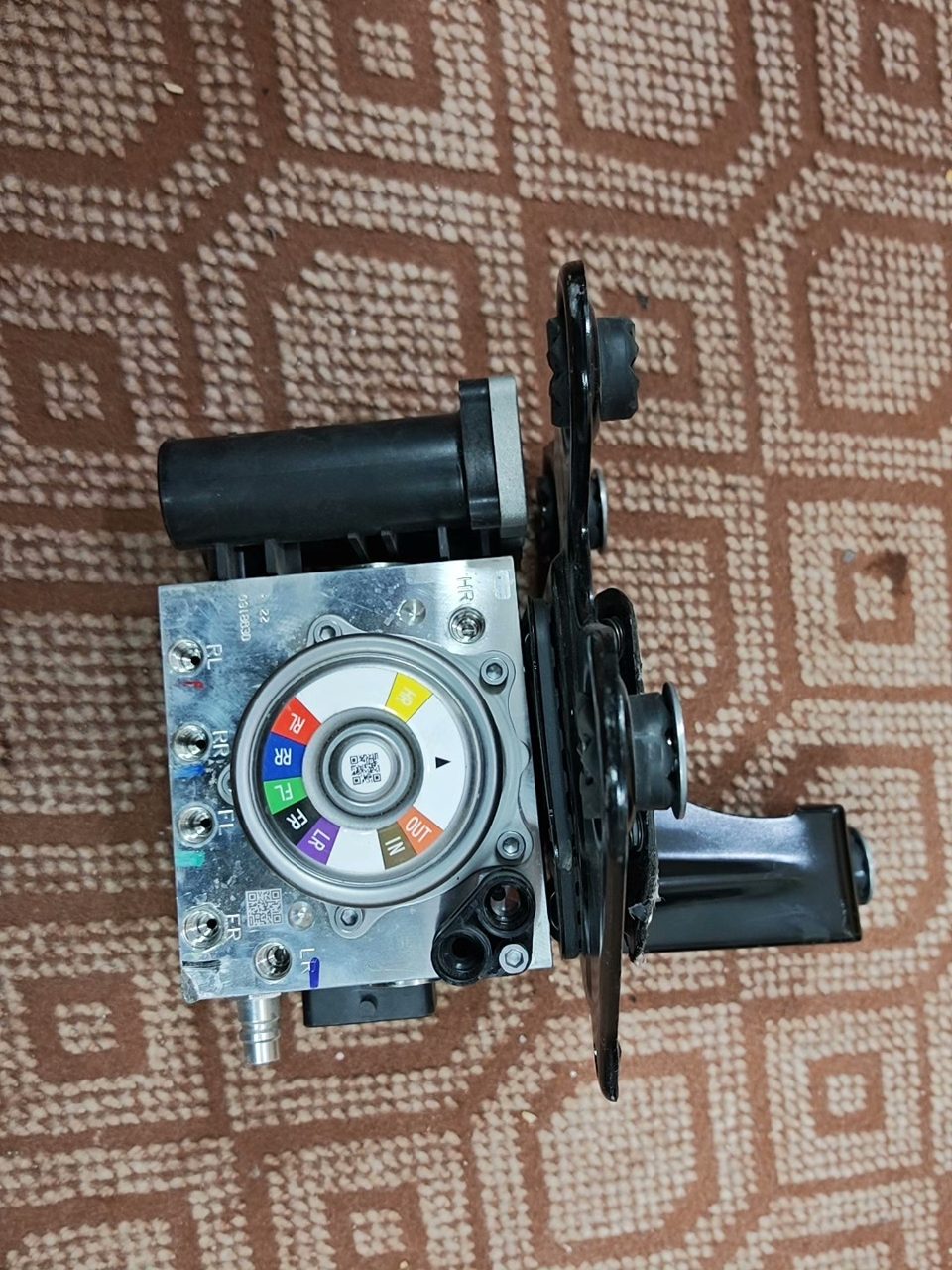
Two threads are worth tracking. The first is the sensor set: the 001 and 007 pair a windscreen binocular camera with body cameras, the 007 carrying its own part-numbered unit, while the 9X adds a LiDAR head on the roof line. The second is cockpit hardware. The 001 offers an instrument cluster, a centre display and a rear entertainment screen for the 2024 model; the 7X pairs a centre display with a head-up display; the 9X moves to a dual centre-stack screen plus a roof-mounted rear screen and a sliding wing screen. Air suspension electronics also fall in this group, because the compressor, its control unit and the associated solenoid valves are electrically driven and run close to the rest of the harness.
Parts list 36 items
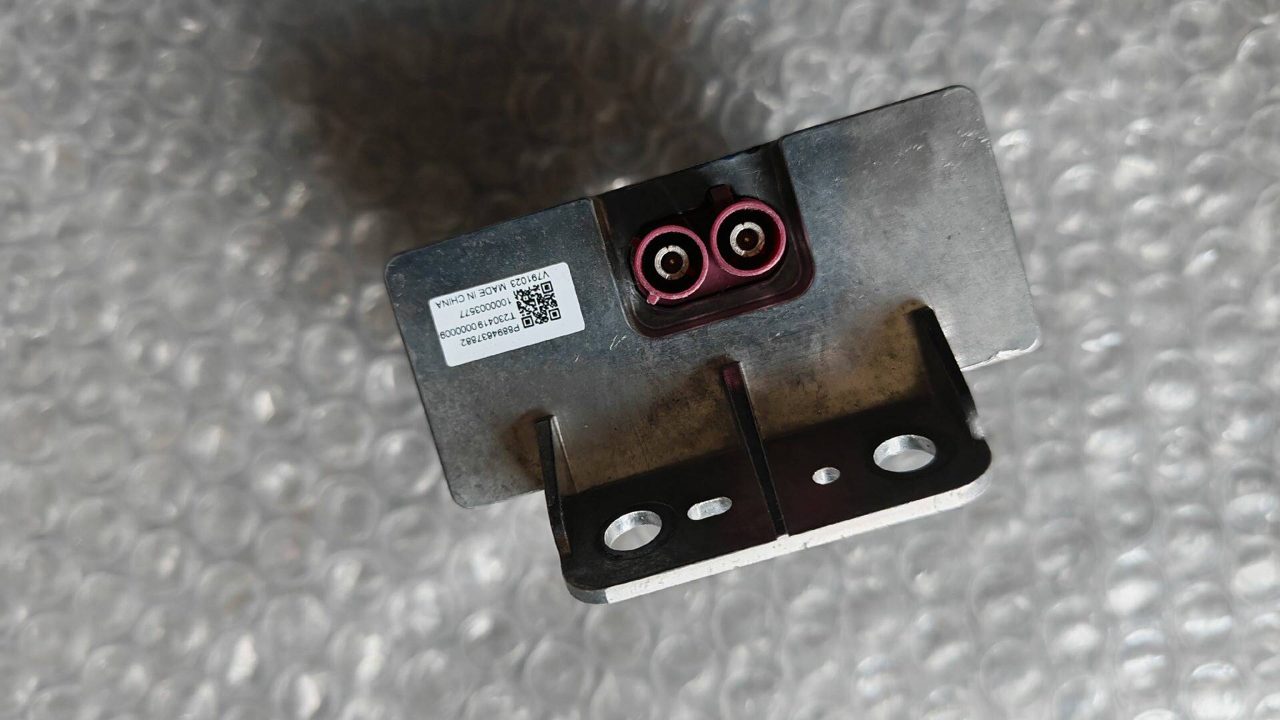
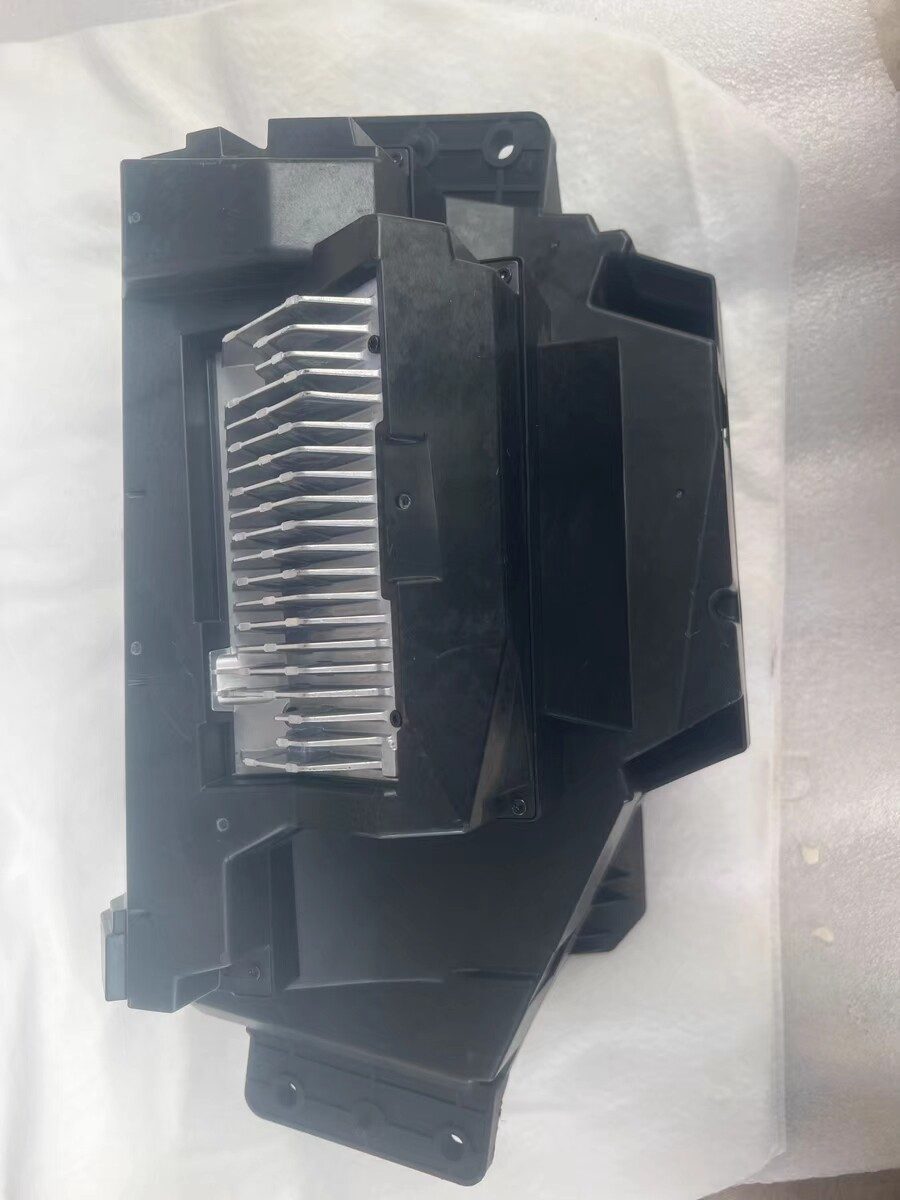
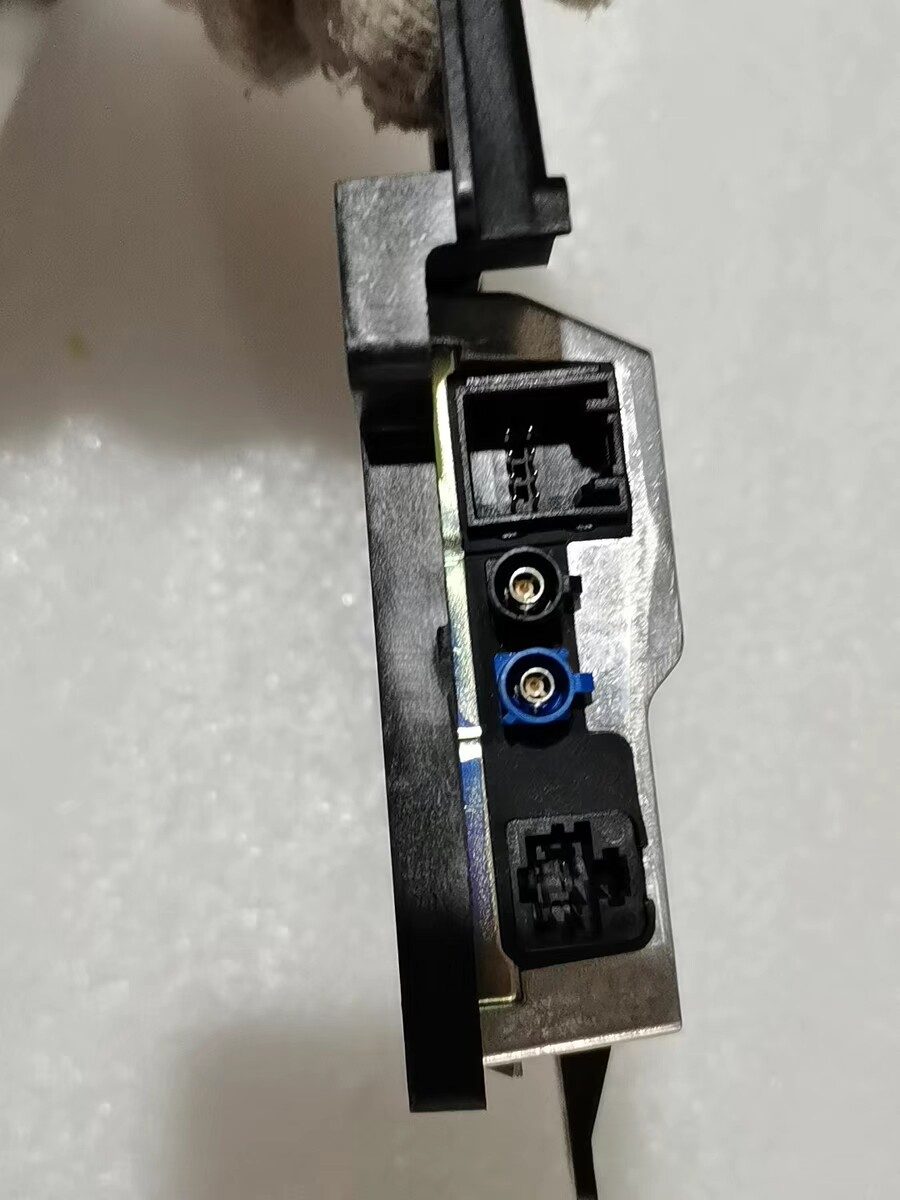
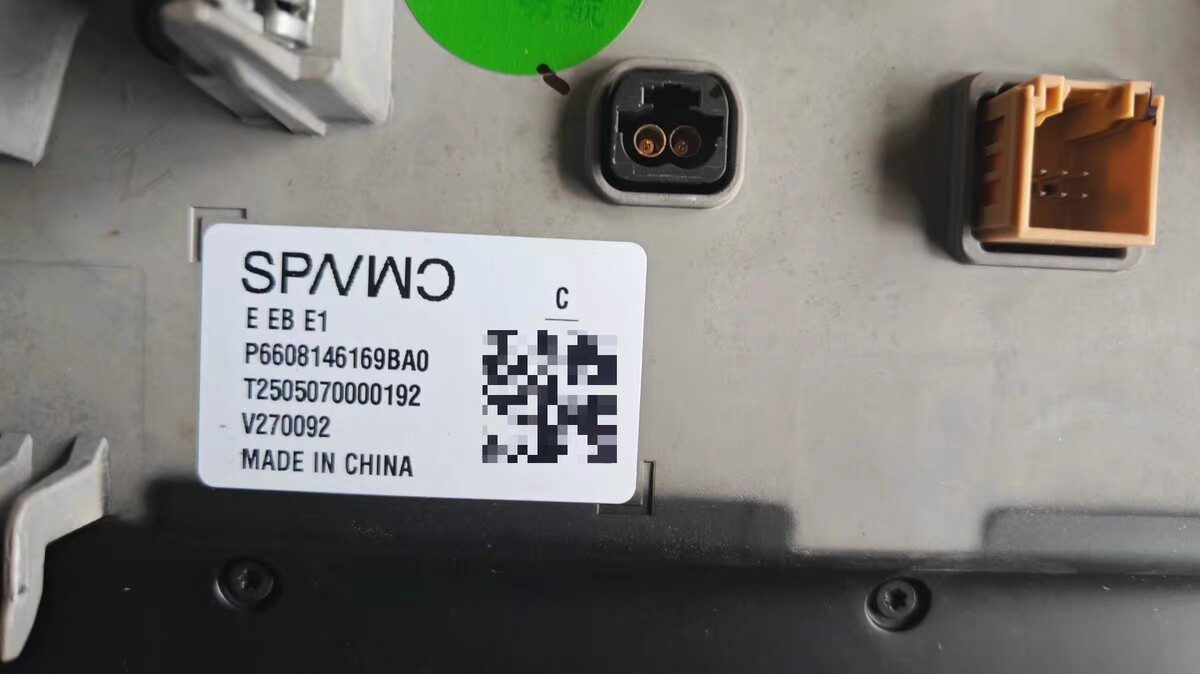
Every unit is photographed as removed, with original connectors and brackets where they are still fitted. Salvage electronics are sold individually and are not graded cosmetically unless the listing says so.
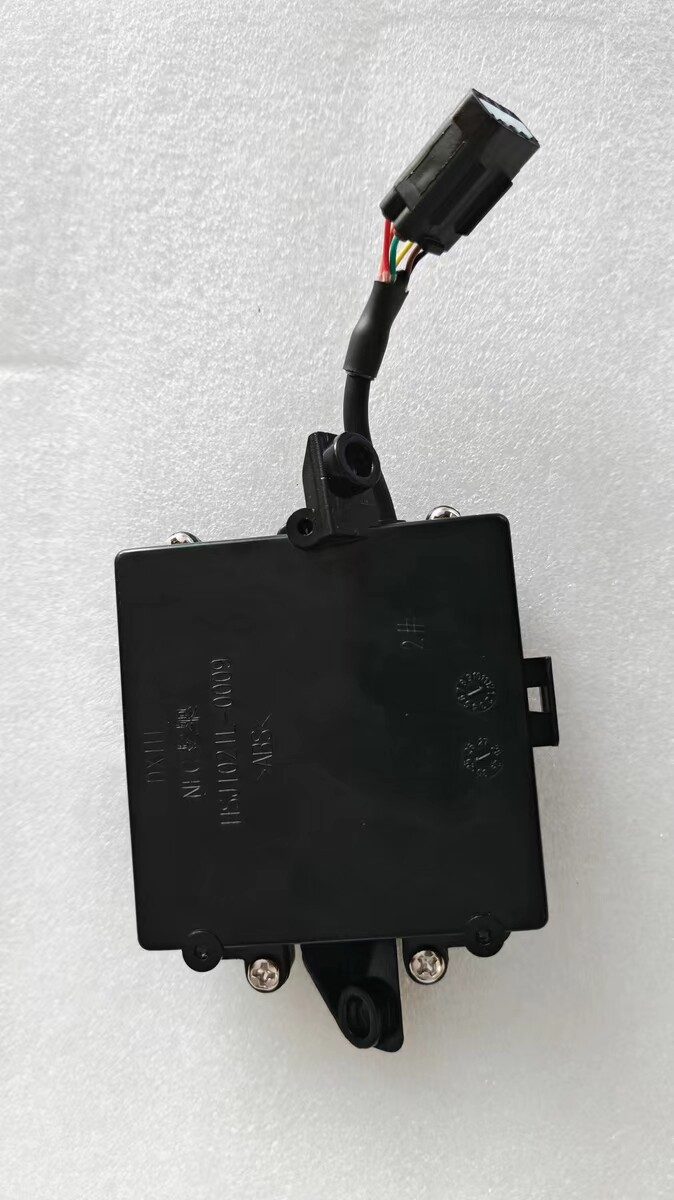
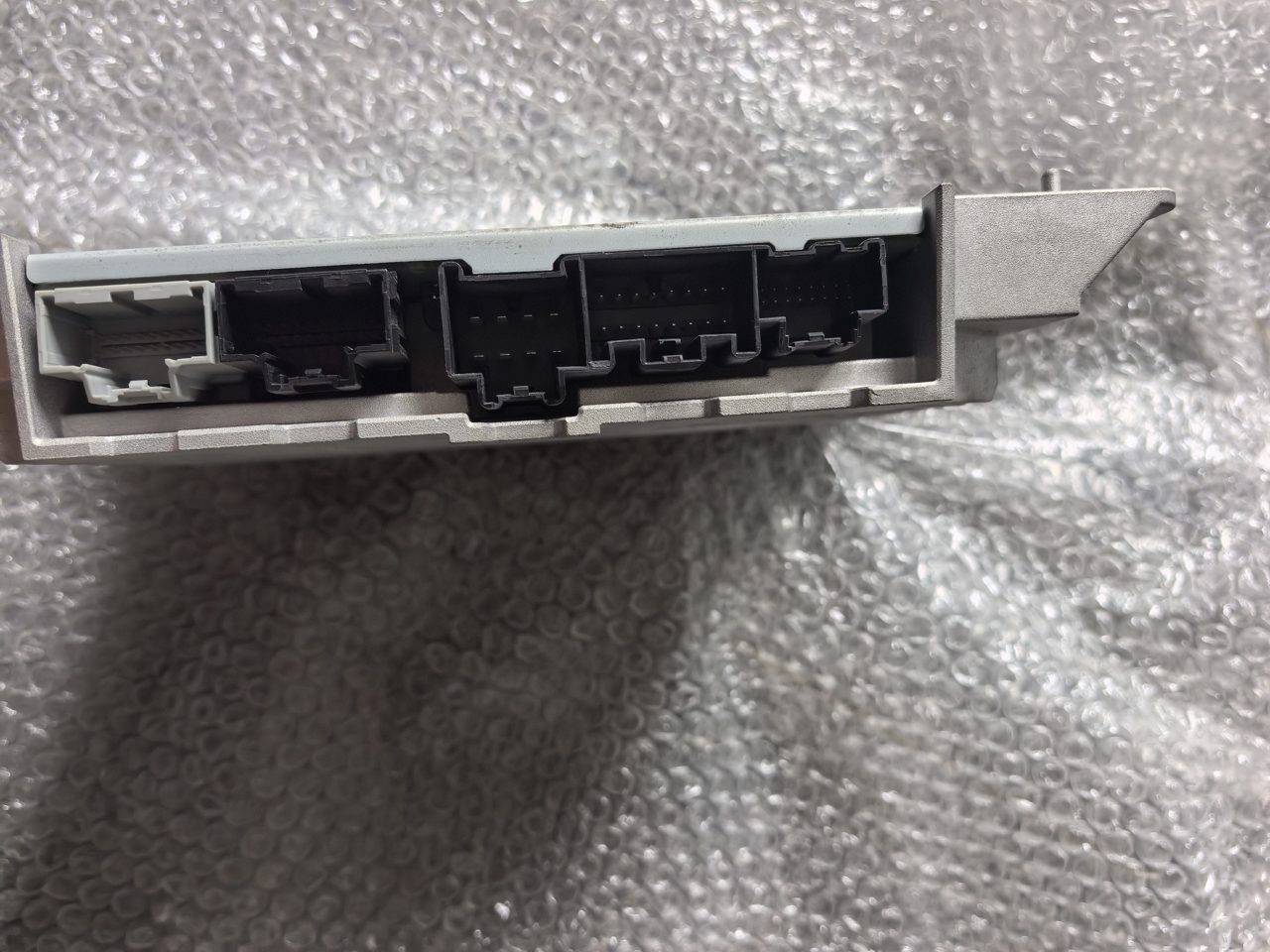
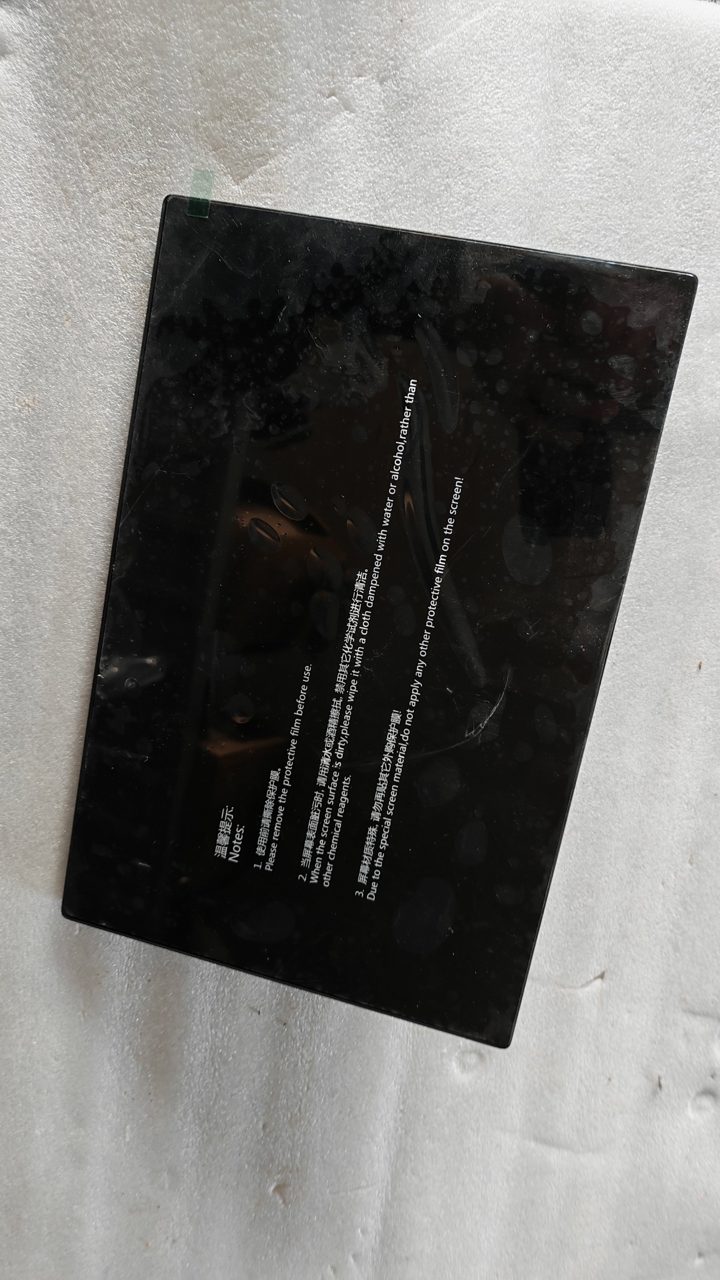
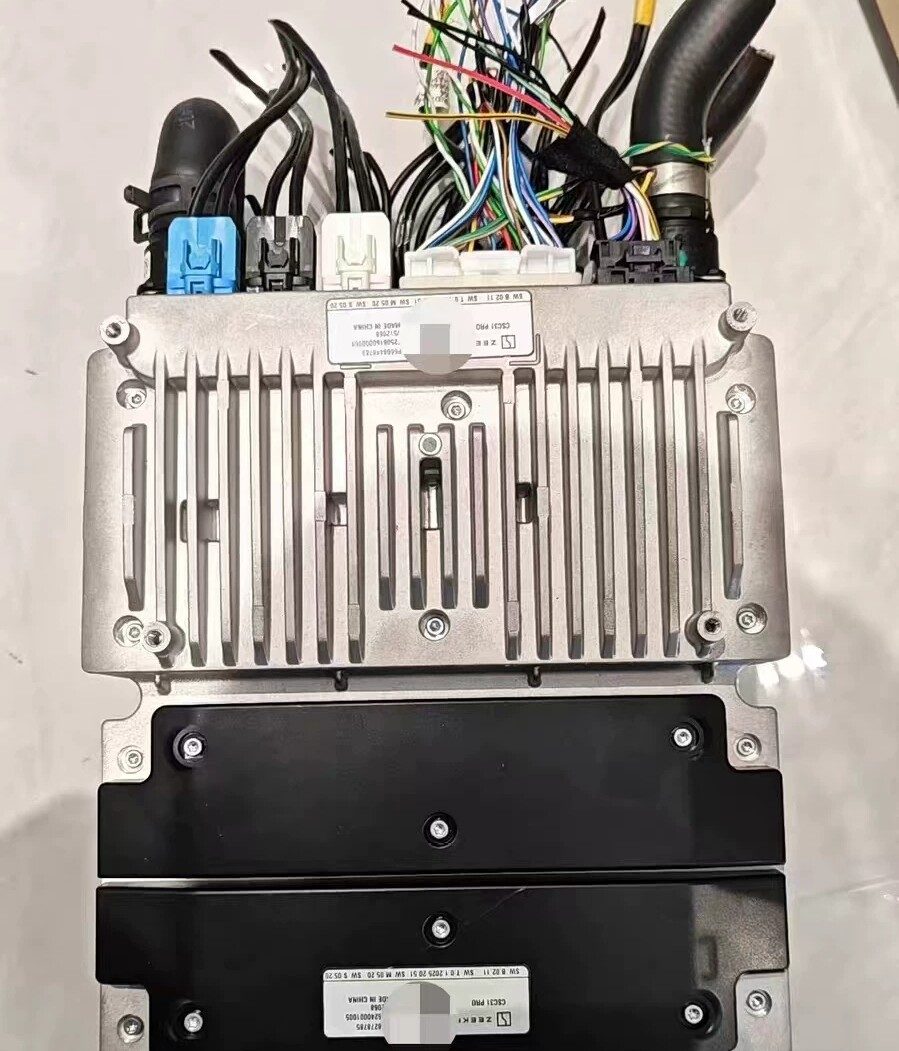
Faults to look for before buying
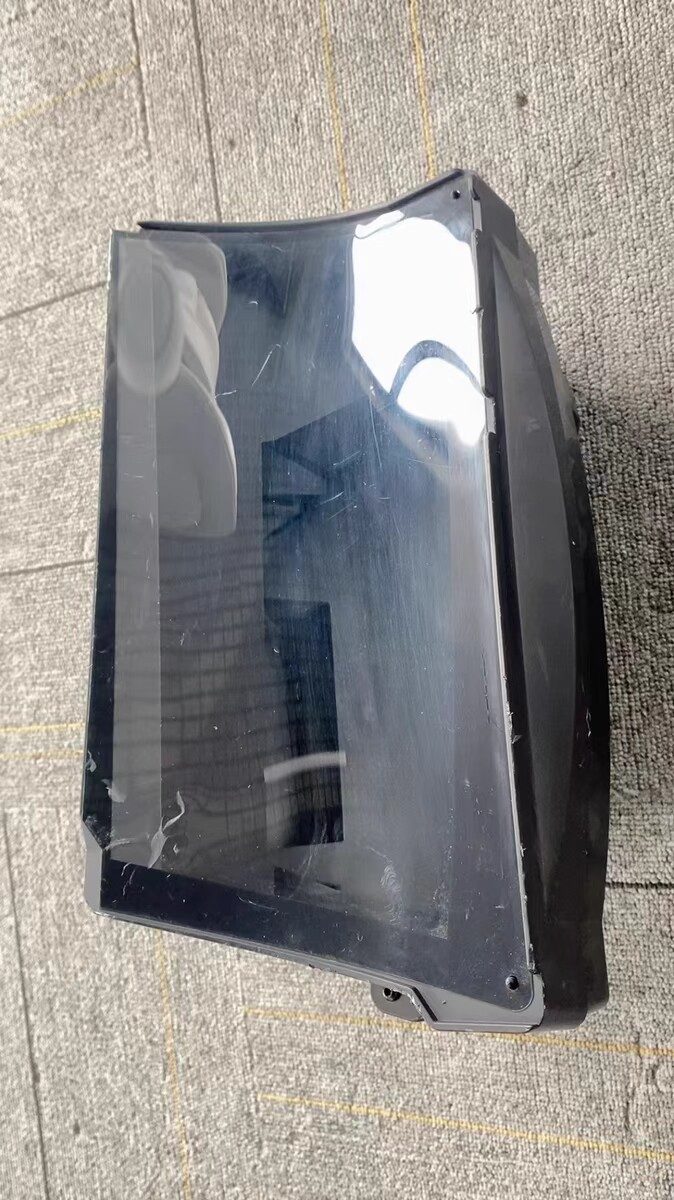
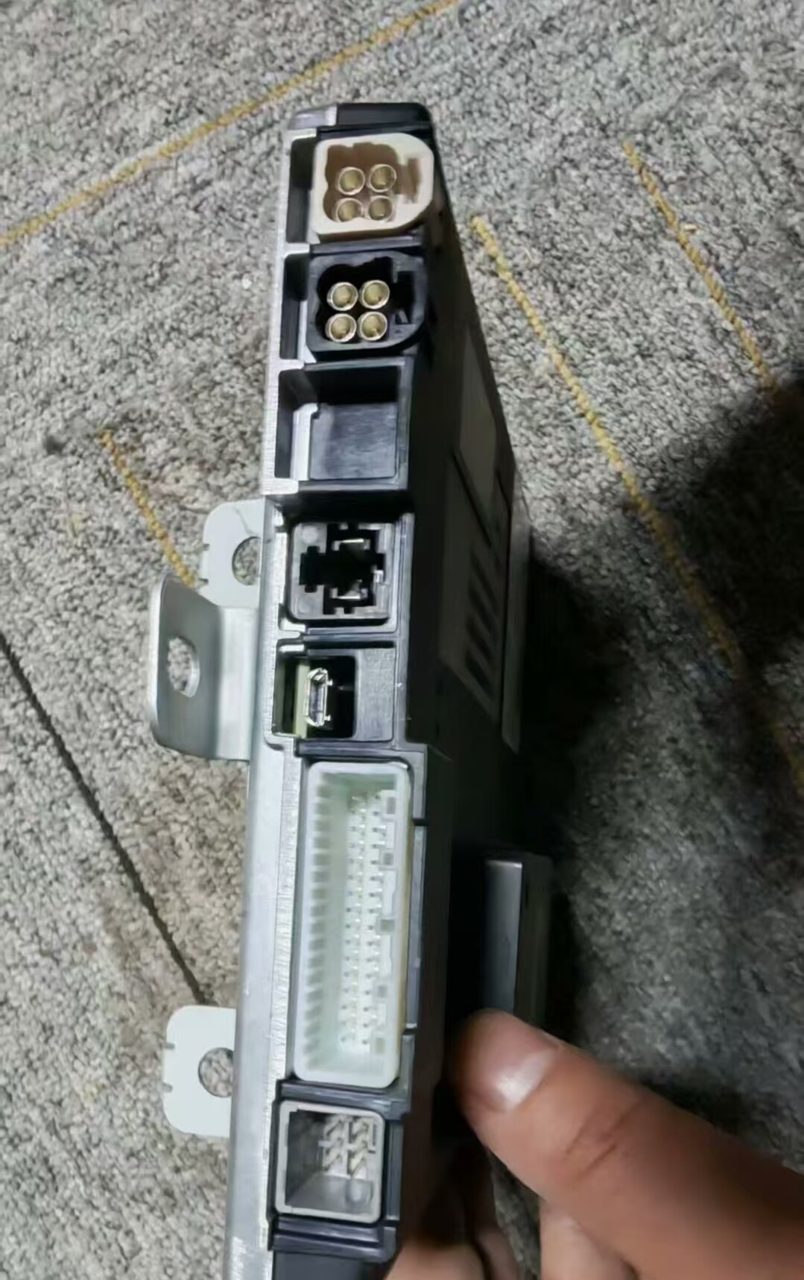
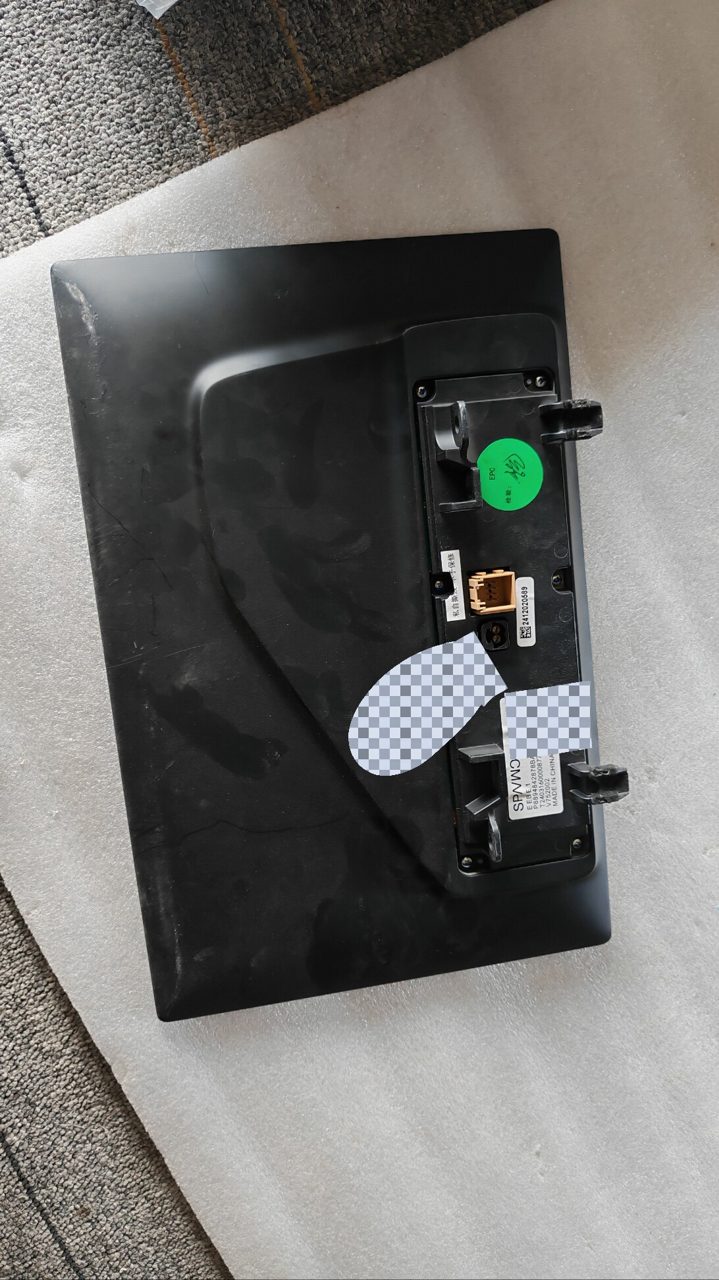
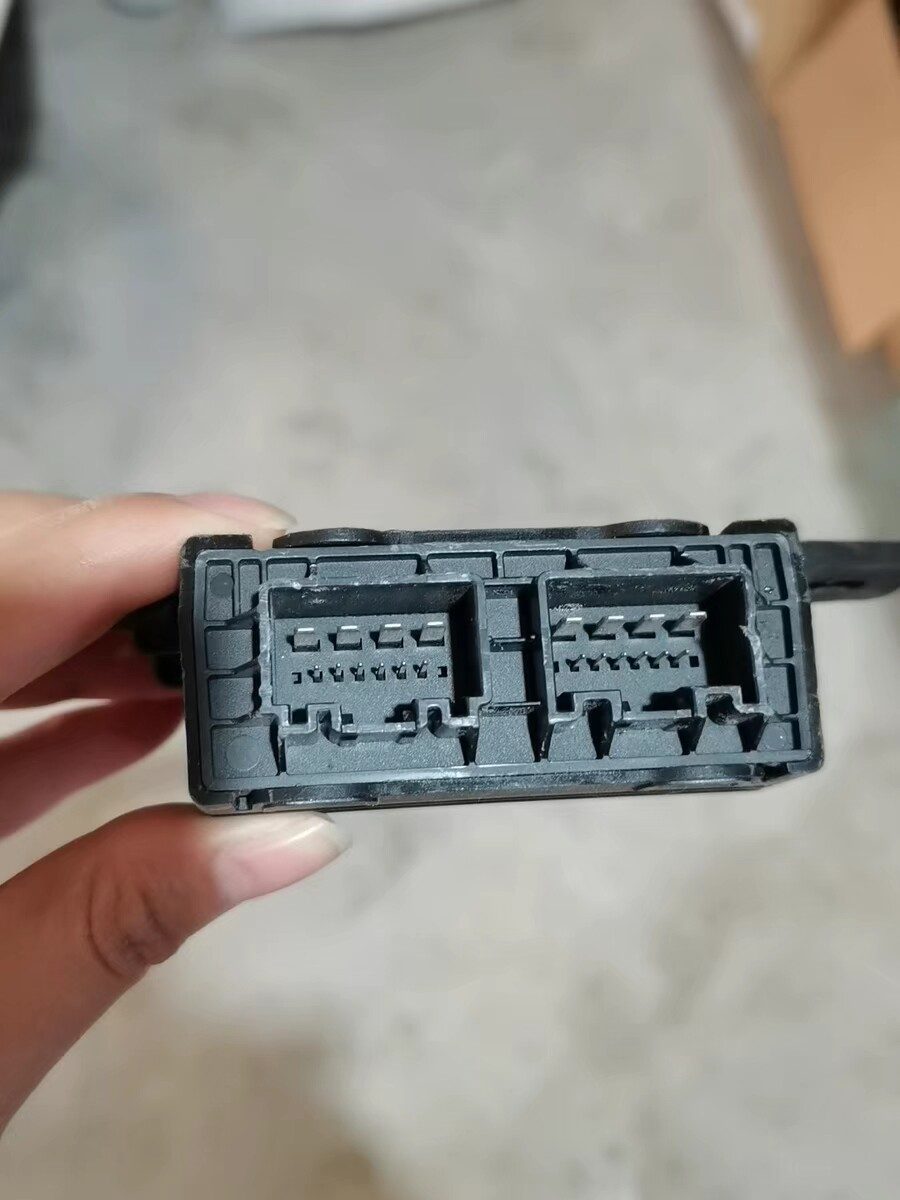
Sample these as a set. On the central computing units, compare connector families and pin counts across generations: the move from a distributed layout to a single box shows up as a large drop in the number of separate units and a matching rise in pins per connector. Displays cause the most trouble. Check the lamination for bubbles or a dark edge, since edge delamination is what usually kills a used screen, and confirm the touch layer responds along all four borders. Head-up displays are optical assemblies, so ask whether dust or haze is visible in the image path and whether the combiner mirror coating is intact. Used control modules often keep the previous vehicle's coding, so treat any module as needing re-flashing. Match part numbers exactly on the 007 and 9X, where the same function appears in more than one revision.
Availability and enquiries
Units are held singly and sold as removed, with condition stated per item. Additional angles, connector close-ups, part-number photographs and measured dimensions are available on request.
Send an enquiry