XPeng's drive side now runs two architectures in parallel. Pure-electric cars keep a conventional e-axle, while the X9 and G7 add a range extender whose engine, generator and motor controller are all serviceable separately. This list holds both, along with the on-board charging hardware.
Range extender plus e-axle
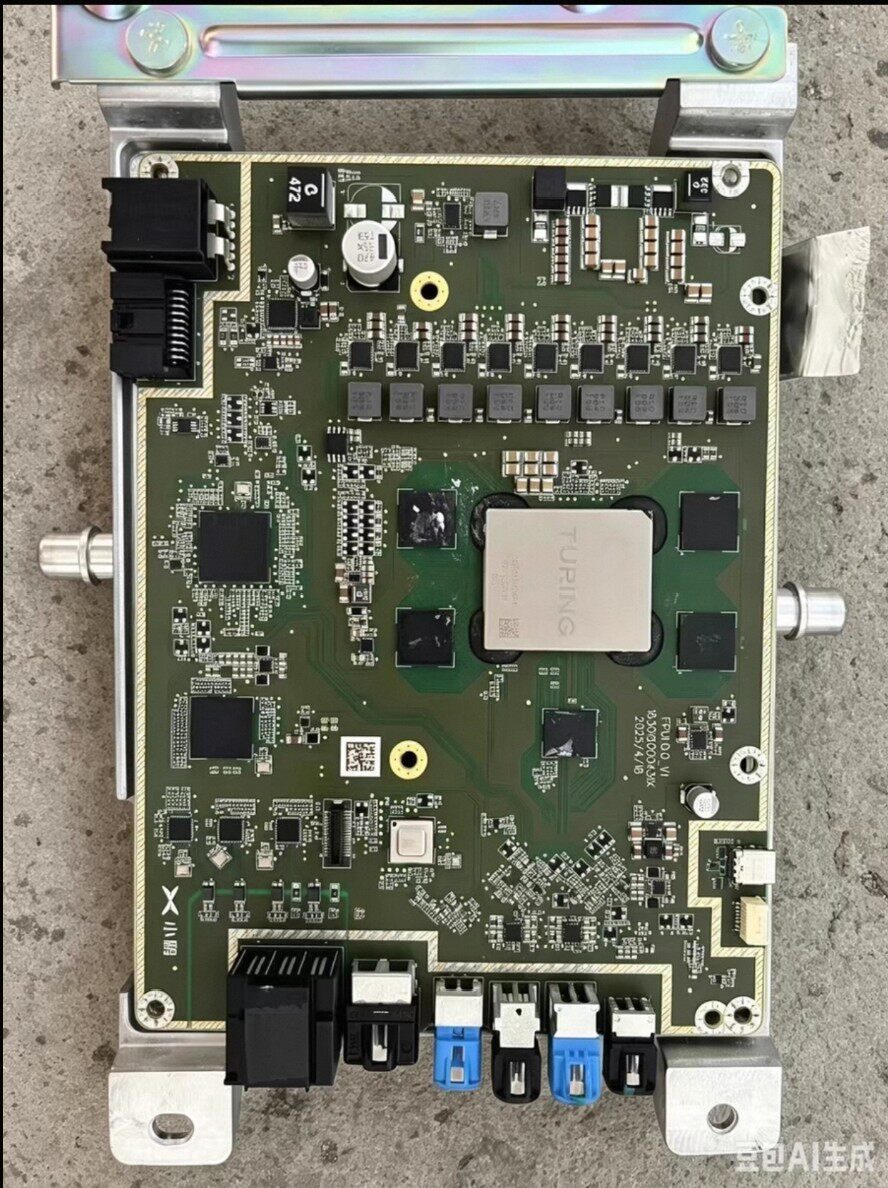
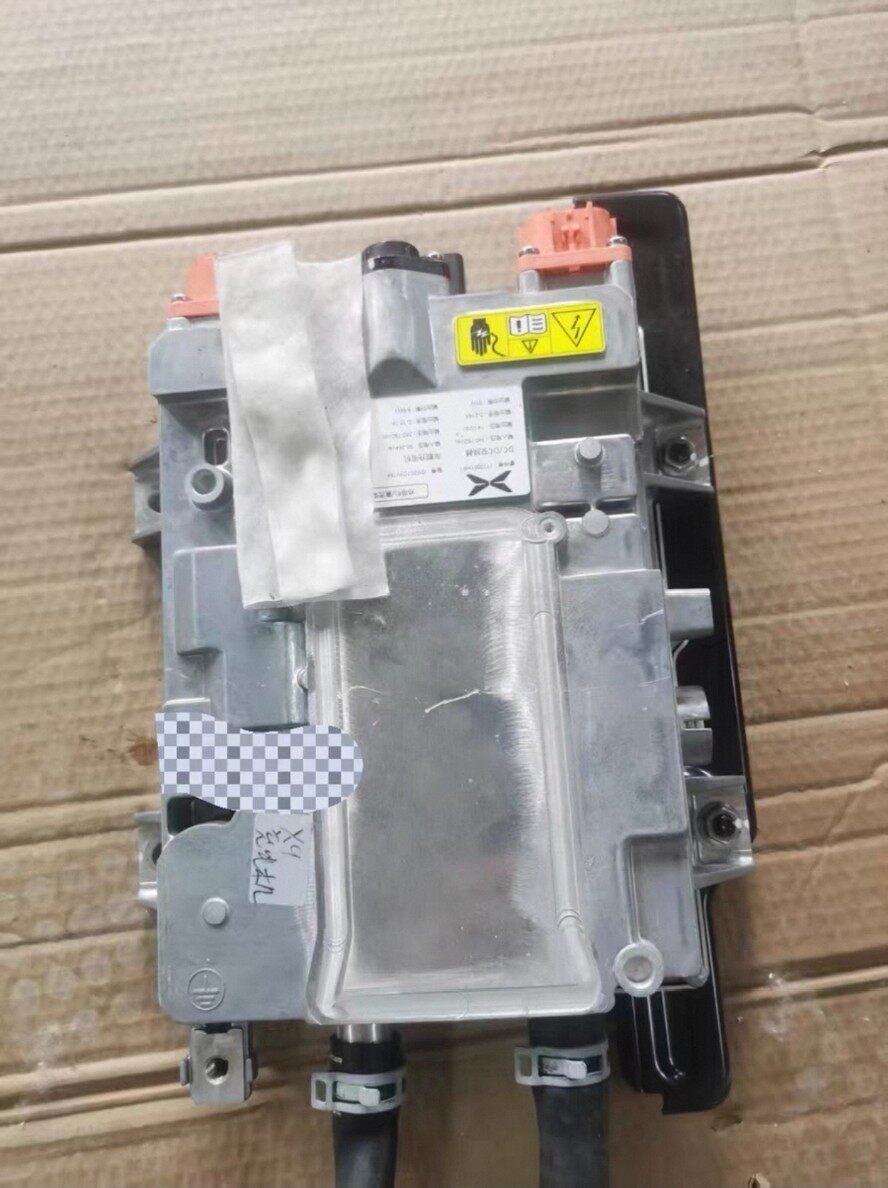
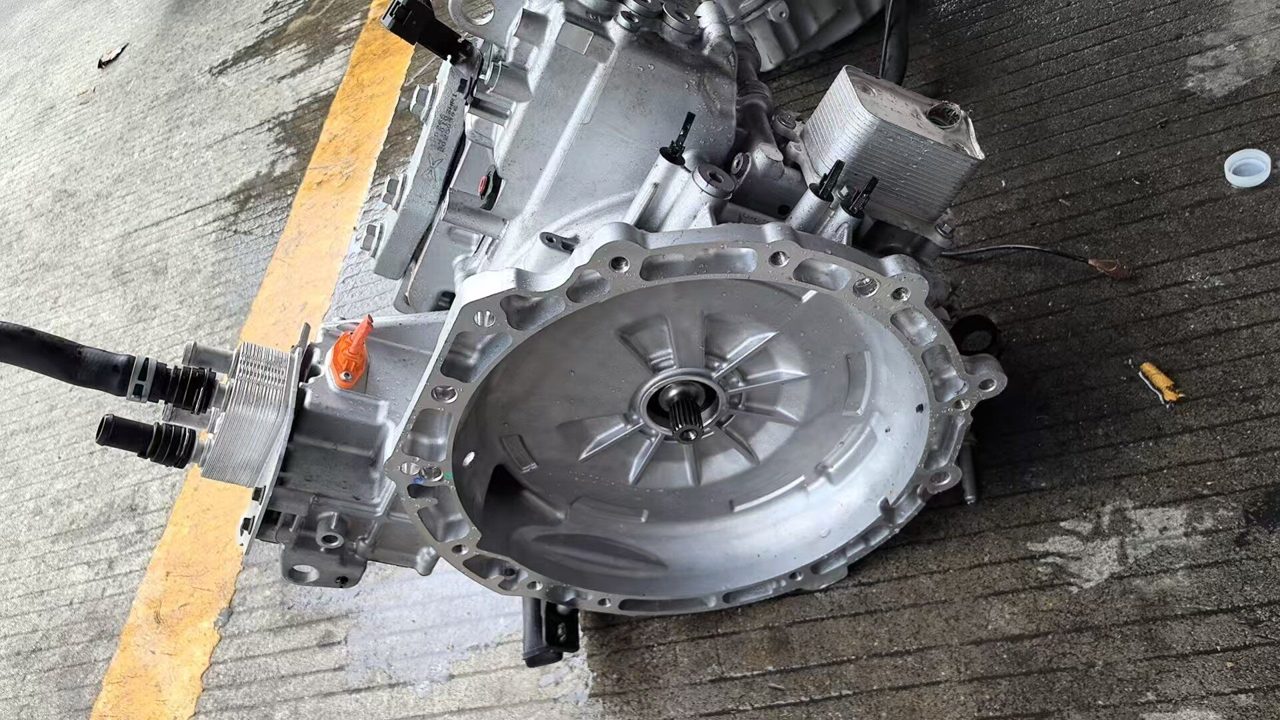
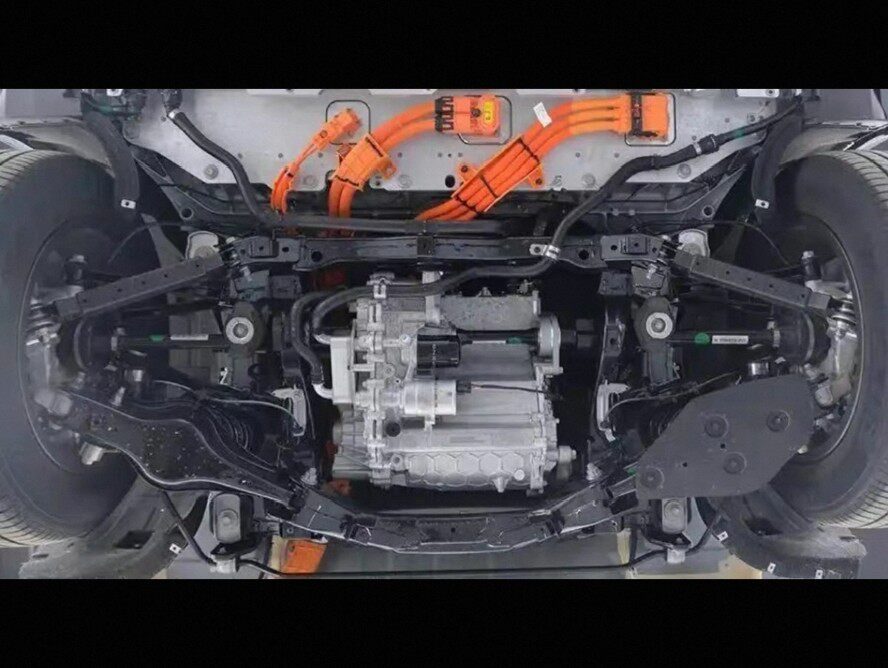
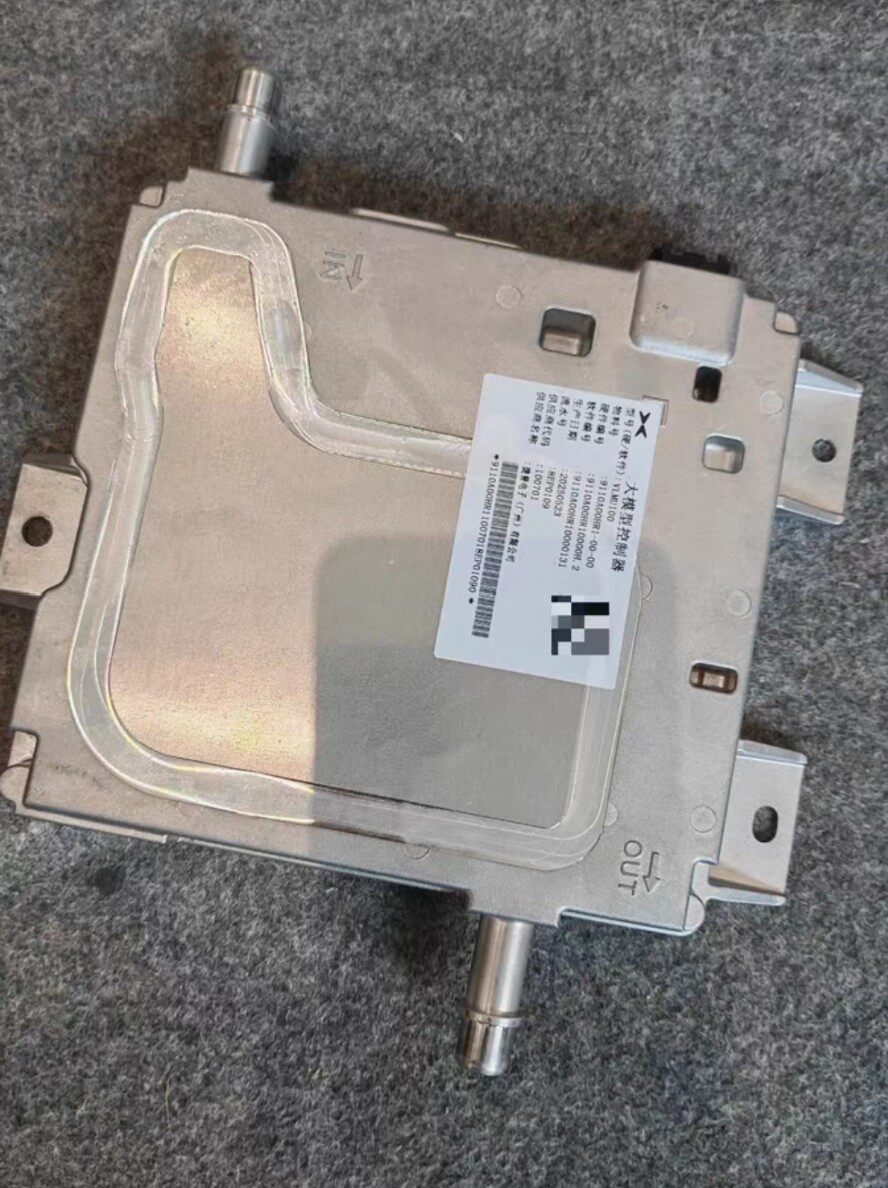
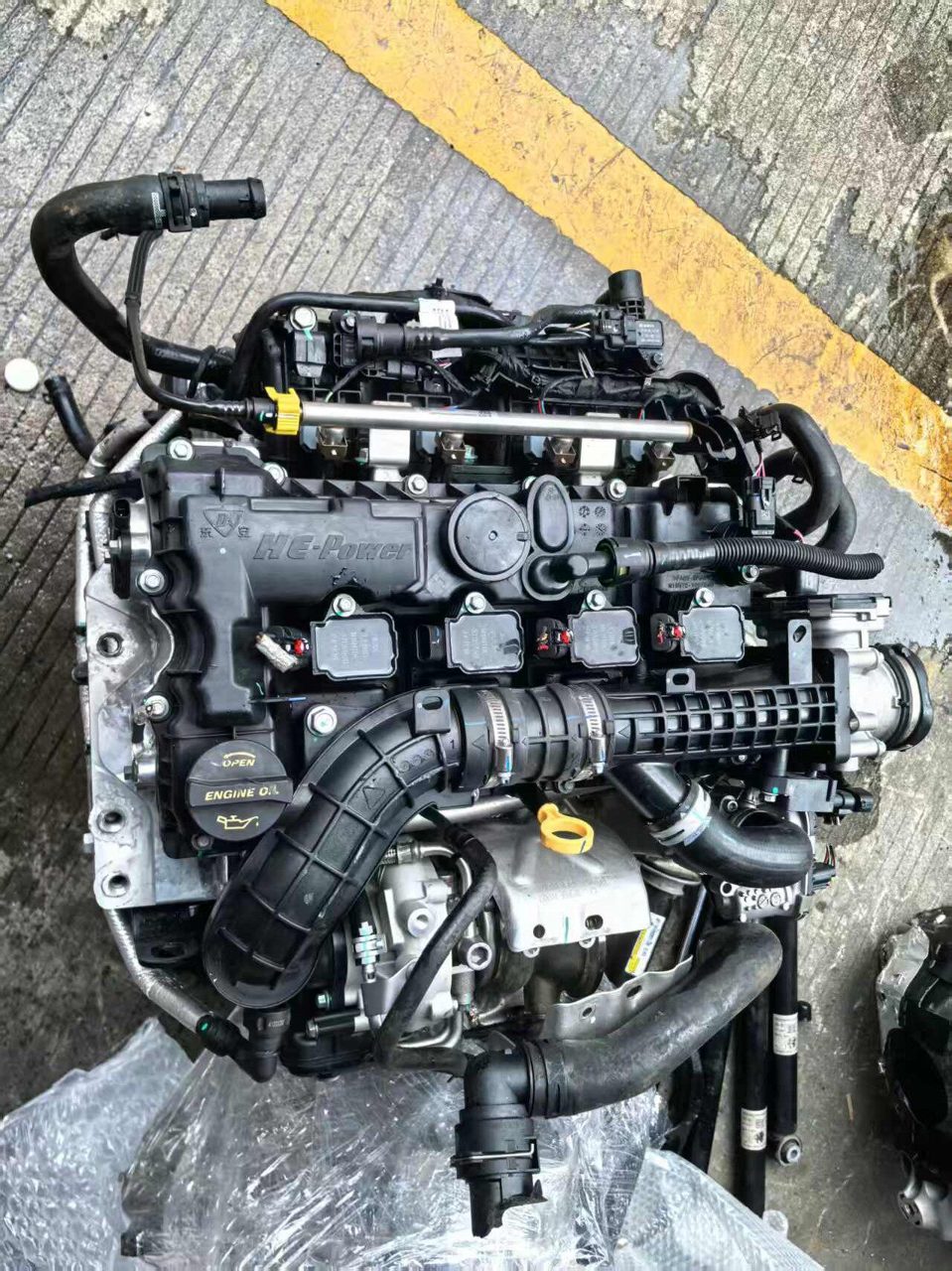
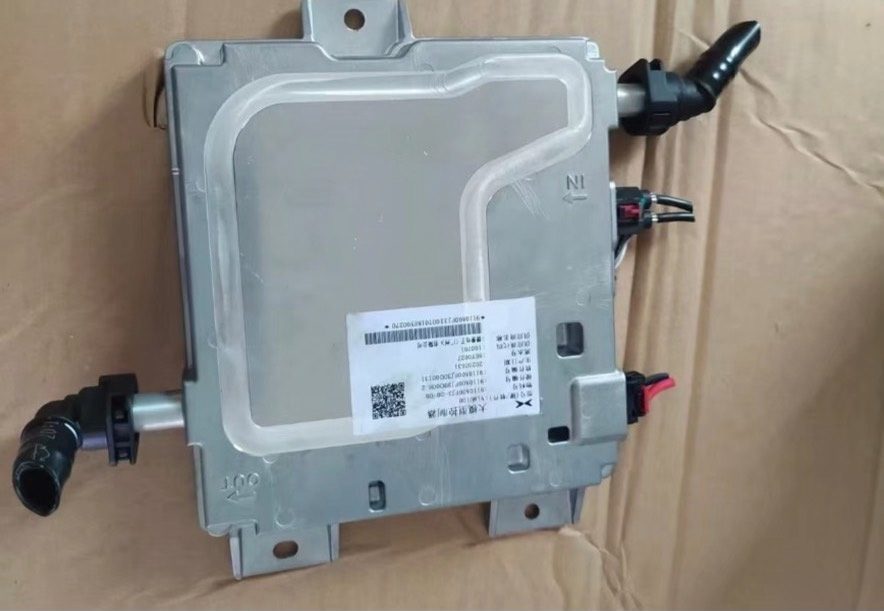
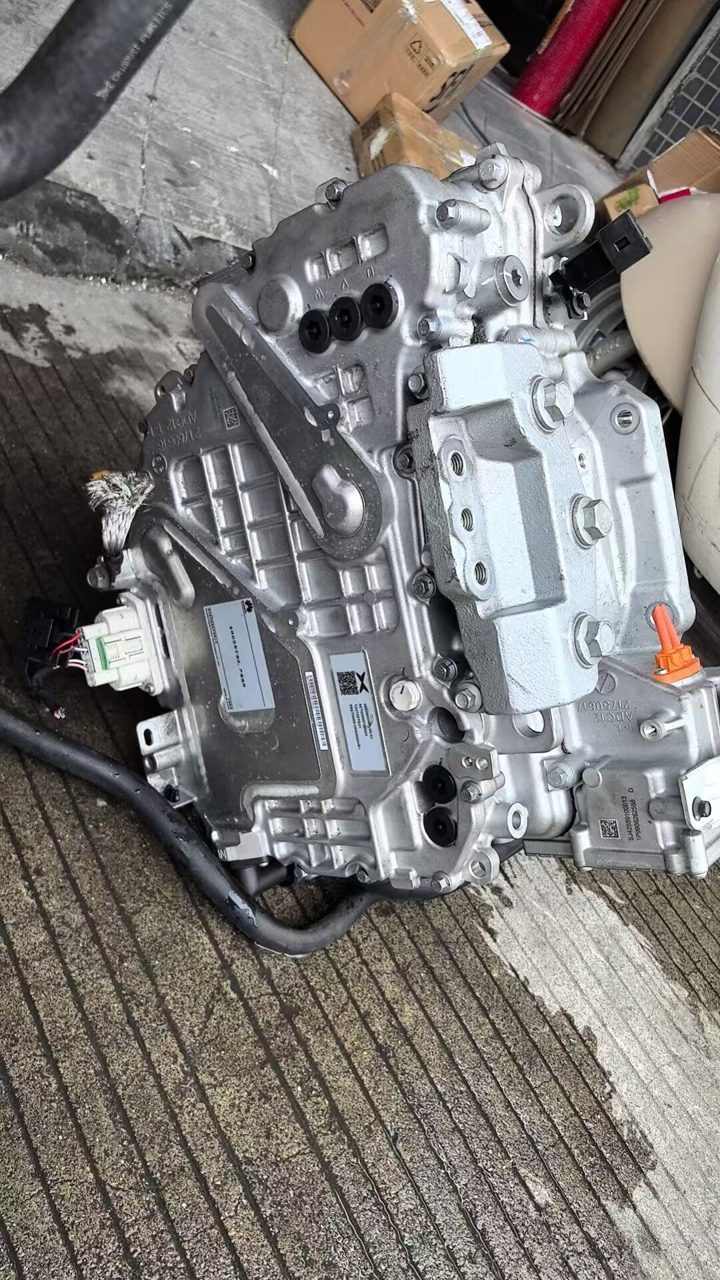
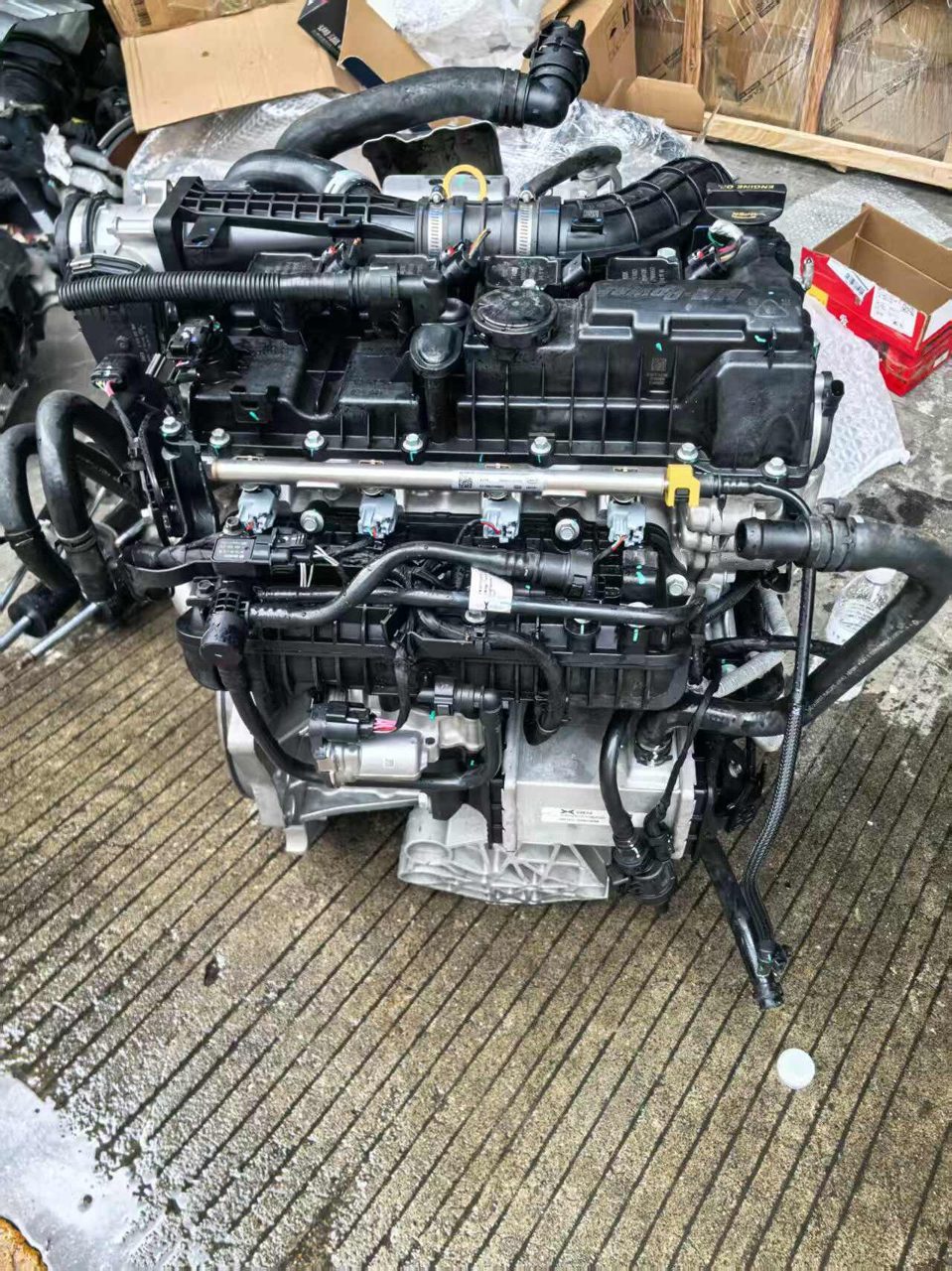
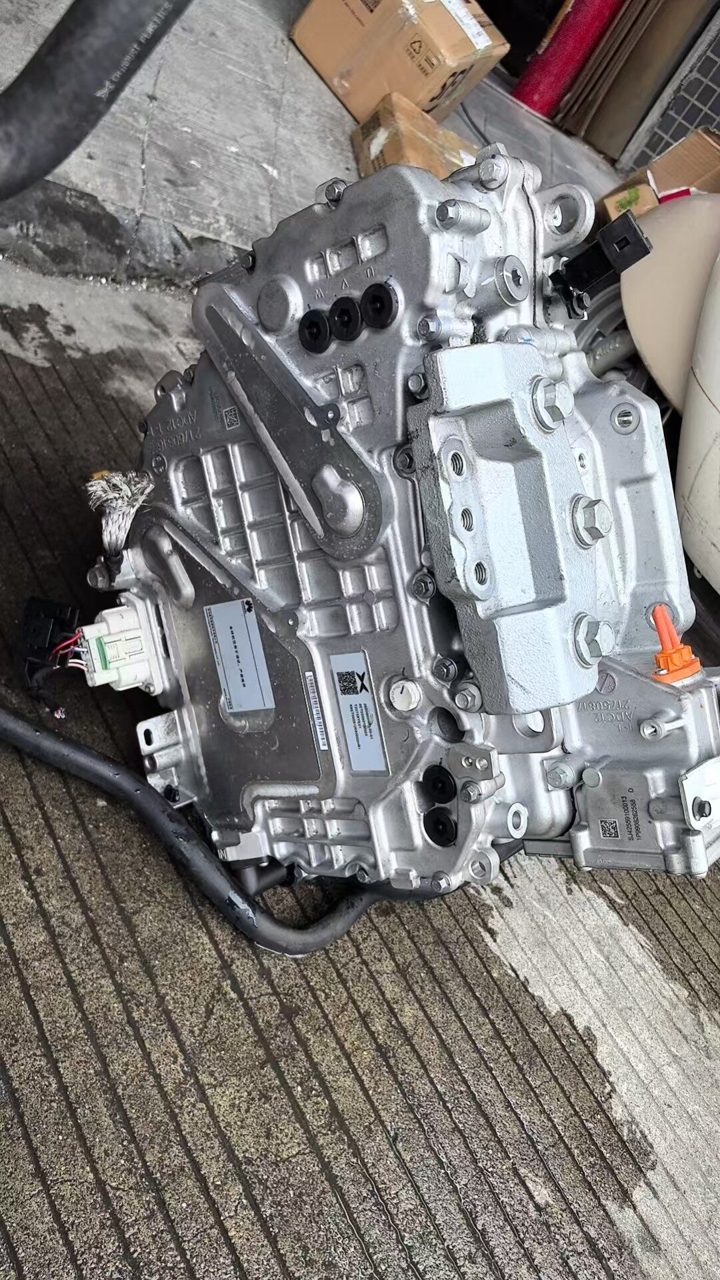
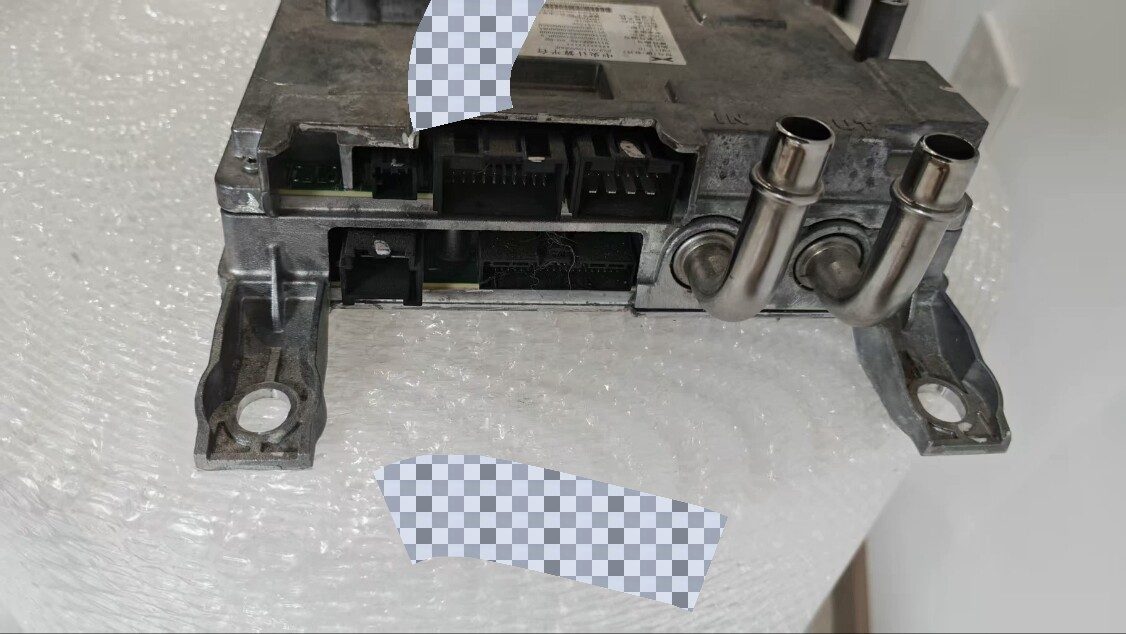
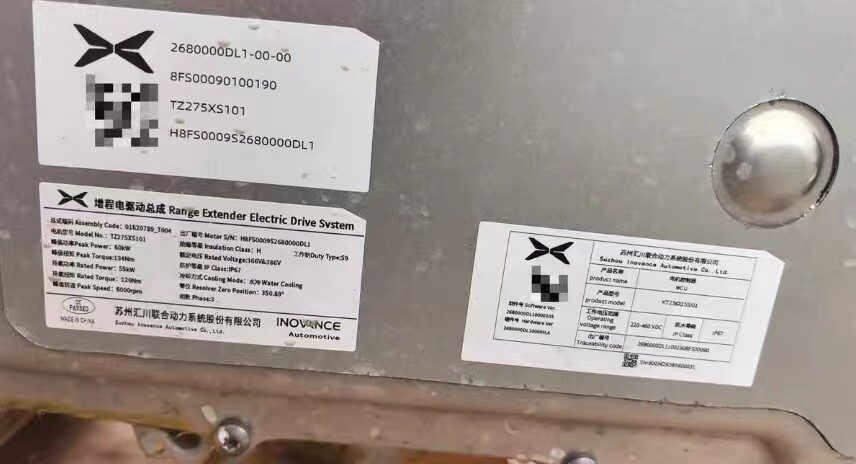
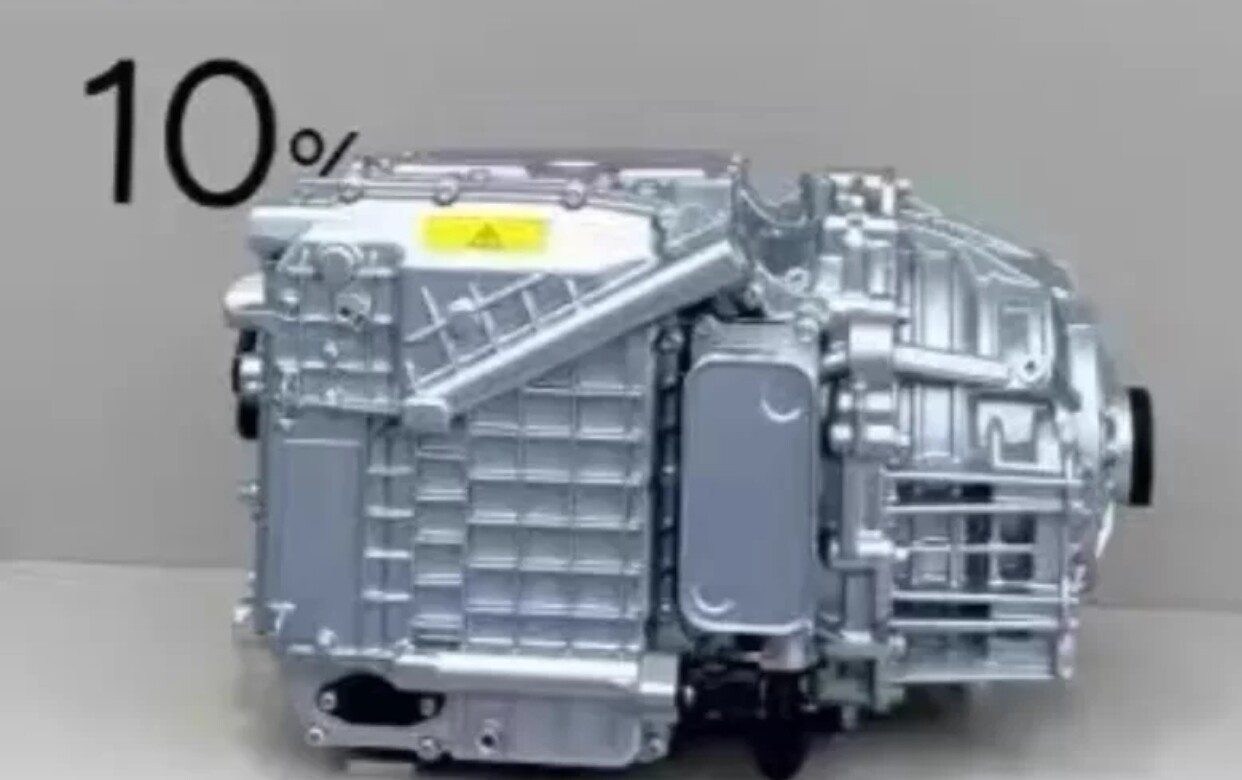
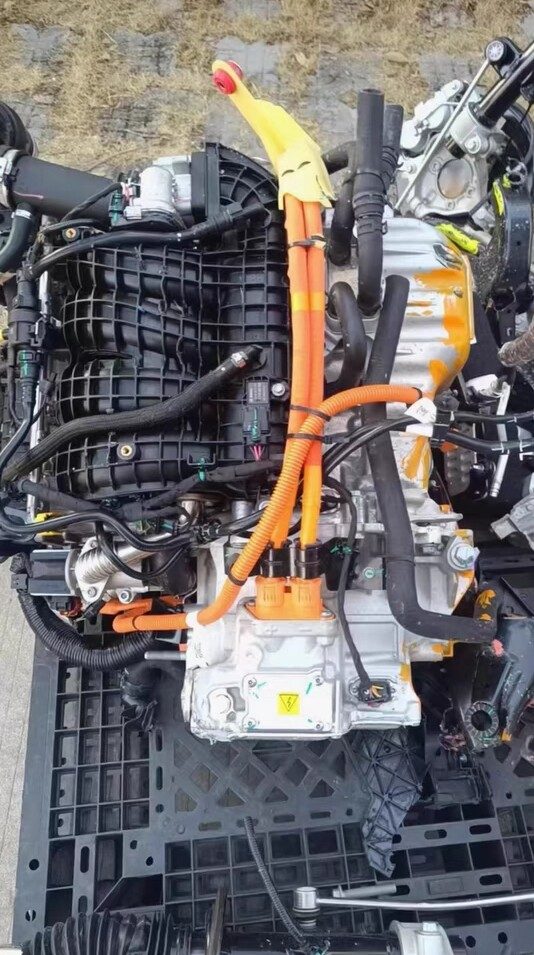
The range-extender cars split the work between two machines. An engine assembly drives a generator, which supplies a motor, and the three are joined by a motor controller that has to arbitrate between battery and generator input. The X9 appears in almost every combination of that chain: engine alone, generator assembly with its motor driver unit, range-extender motor on its own, and the complete assembly with engine, drive motor and dual motor controller. The pure-electric side is simpler. The G7 rear unit is a permanent-magnet synchronous motor, and the X9 uses a hybrid silicon-carbide e-axle described as same-shaft, meaning the motor and reduction gearing share an axis to shorten the unit. Charging hardware sits in the same group: an on-board charger combined with an inverter and a DC-to-DC converter, all in one package on the X9. A few driving-compute modules are catalogued here too, because they share the low-voltage interface with the drive controllers.
Why same-shaft and SiC matter
Two engineering choices show up in these listings. The first is silicon carbide in the inverter, which raises switching efficiency and, more importantly here, allows a smaller cooling package for the same current. The second is the same-shaft layout, which reduces the axial length of the e-axle and frees space in an already crowded rear subframe. On the range-extender chain, the interesting comparison is where the separation sits: whether the generator has its own controller or shares one with the traction motor, and how many of the three machines can be replaced independently. The X9 answers that with separate part numbers across the chain, which is worth knowing before buying a complete assembly.
Parts list 14 items
Engine, generator and motor units are photographed as removed and are drained of fluids before dispatch. Complete assemblies are crated and are heavy enough to need freight.
Failure points and how to read them
On the range-extender chain, ask which item actually failed, because a generator that stopped charging is often a controller fault rather than a winding fault. Photographs of the stator through the terminal opening and of the controller label will separate the two. Silicon-carbide inverters should be checked for both thermal marking and moisture ingress, since the failure mode on these is often a coolant weep at the housing rather than a semiconductor failure. On the on-board charger package, the DC-to-DC side is the more common casualty, so confirm which half is being sold. For the same-shaft e-axle, the boundary between motor and gearbox is where teardown value concentrates, so ask whether the unit has been split. Finally, check the part numbers against the VLMU and SA8295P families where driving-compute modules appear in the same category, since those are configuration-bound and not interchangeable.
Availability and enquiries
Units are held singly, sold as removed, and dispatched on a pallet where weight requires it. Part-number photographs and measured dimensions are available on request.
Send an enquiry