Li Auto builds its range around one idea: a central computing unit carries the driving workload, a separate head unit carries the cockpit, and the screens and sensors plug into that pair. This list holds both halves plus the sensor heads, drawn from L6 through L9 and MEGA.
Three blocks, wired as one system
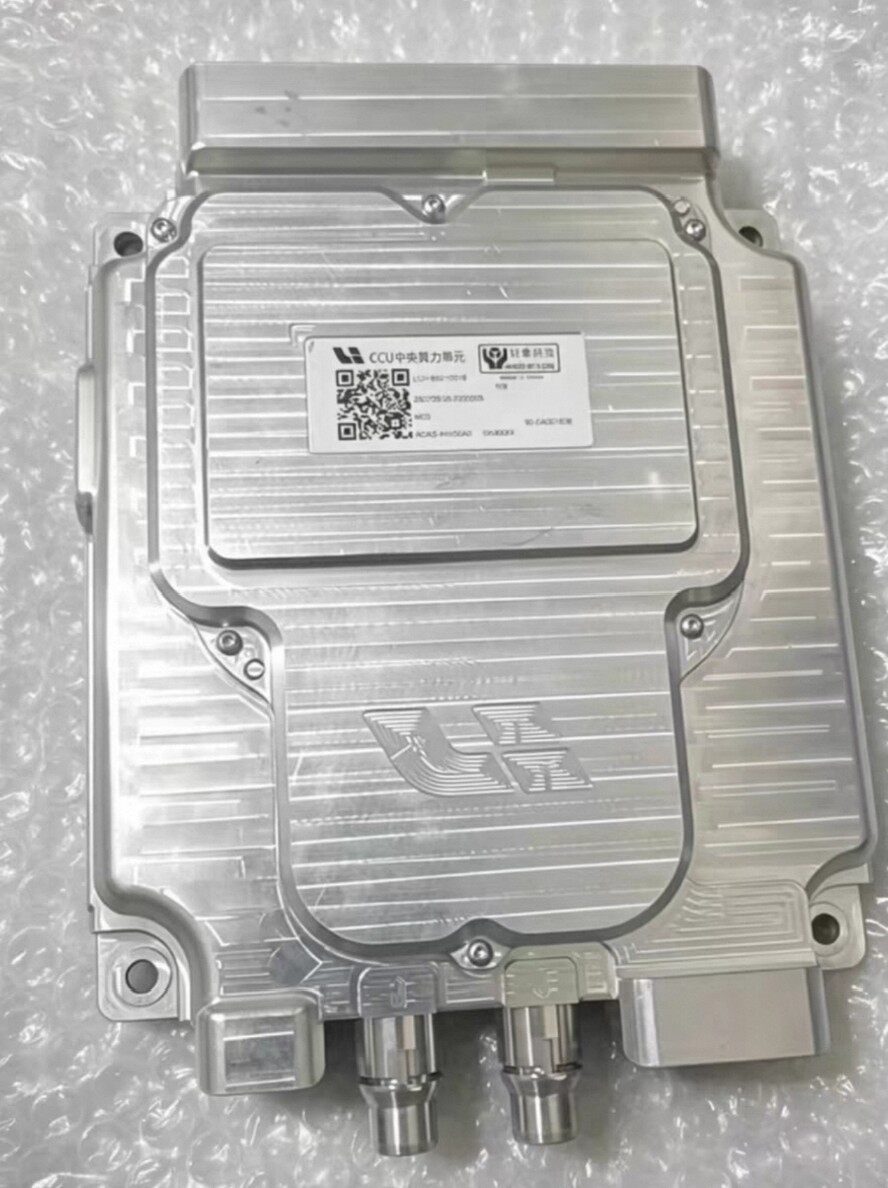
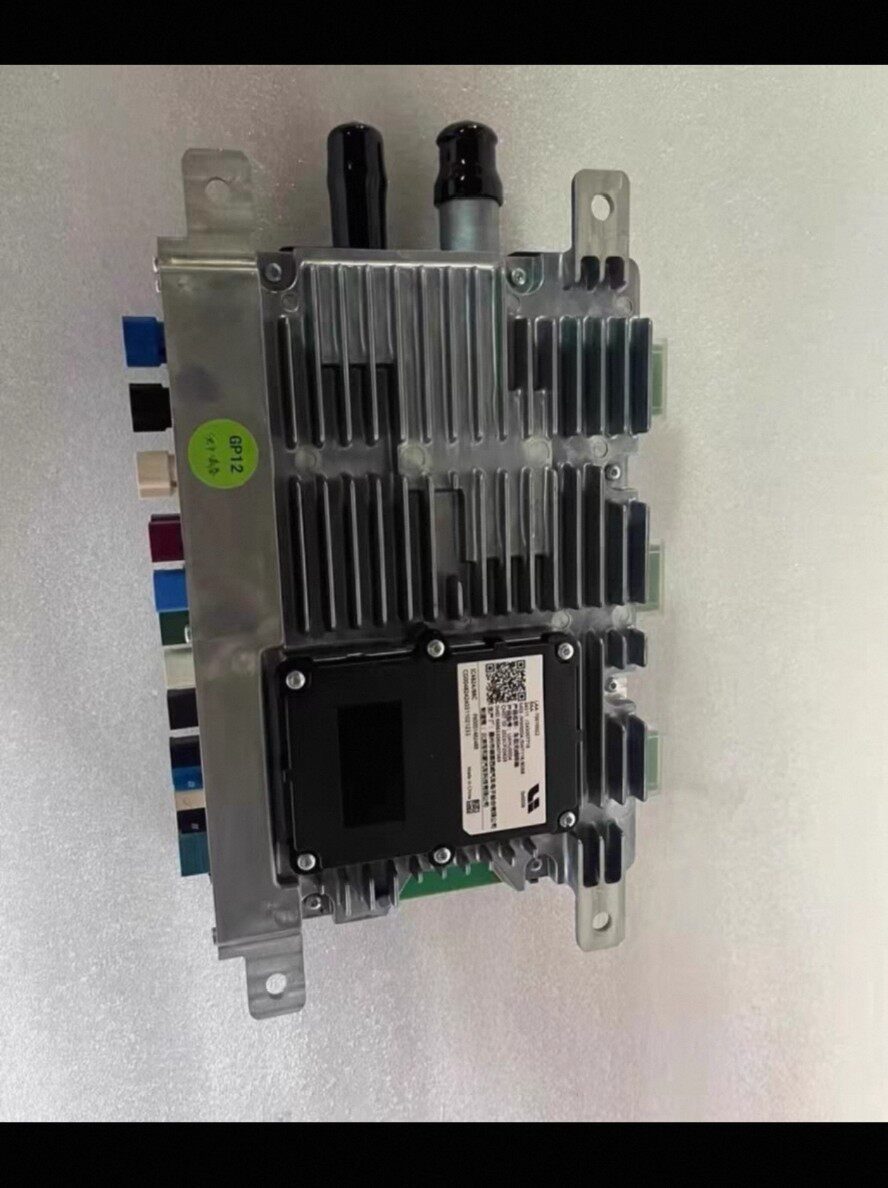
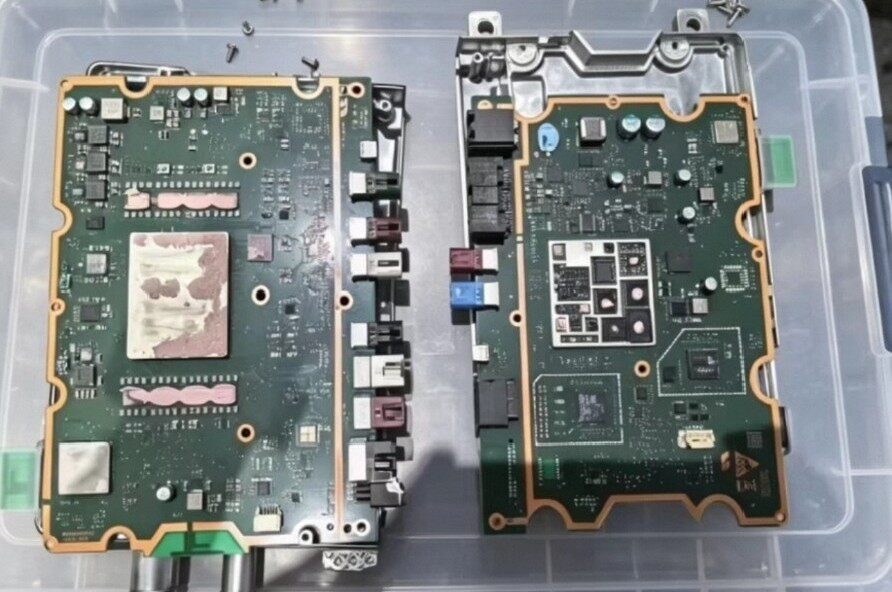
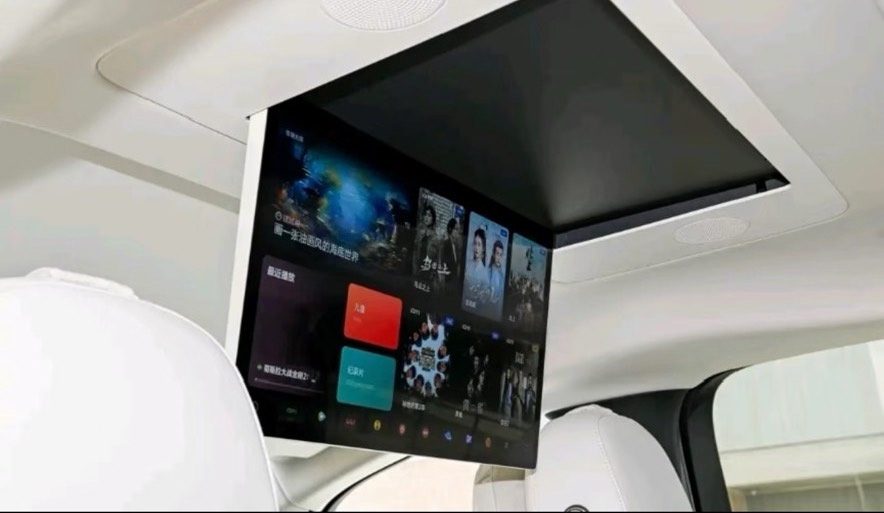
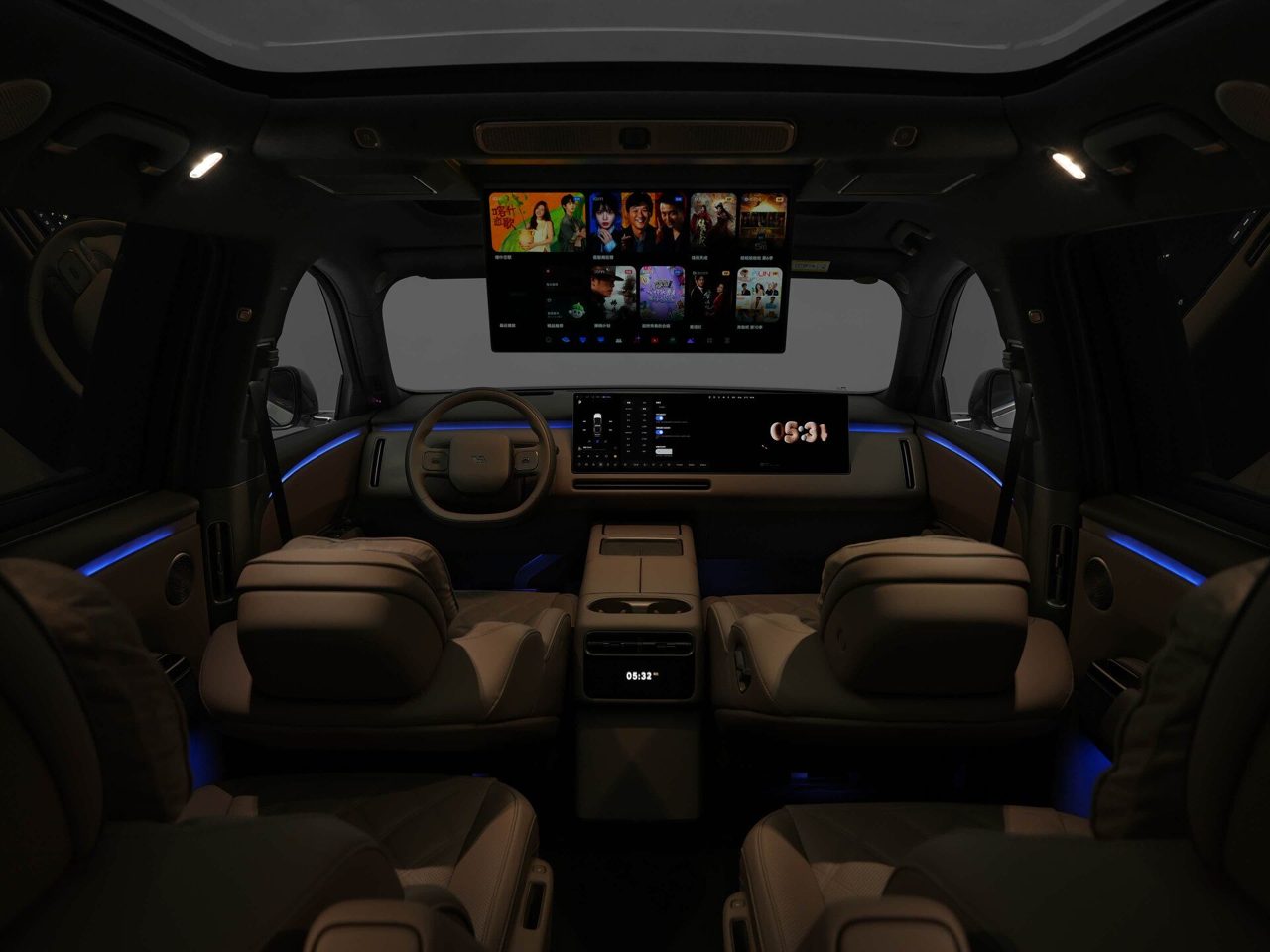
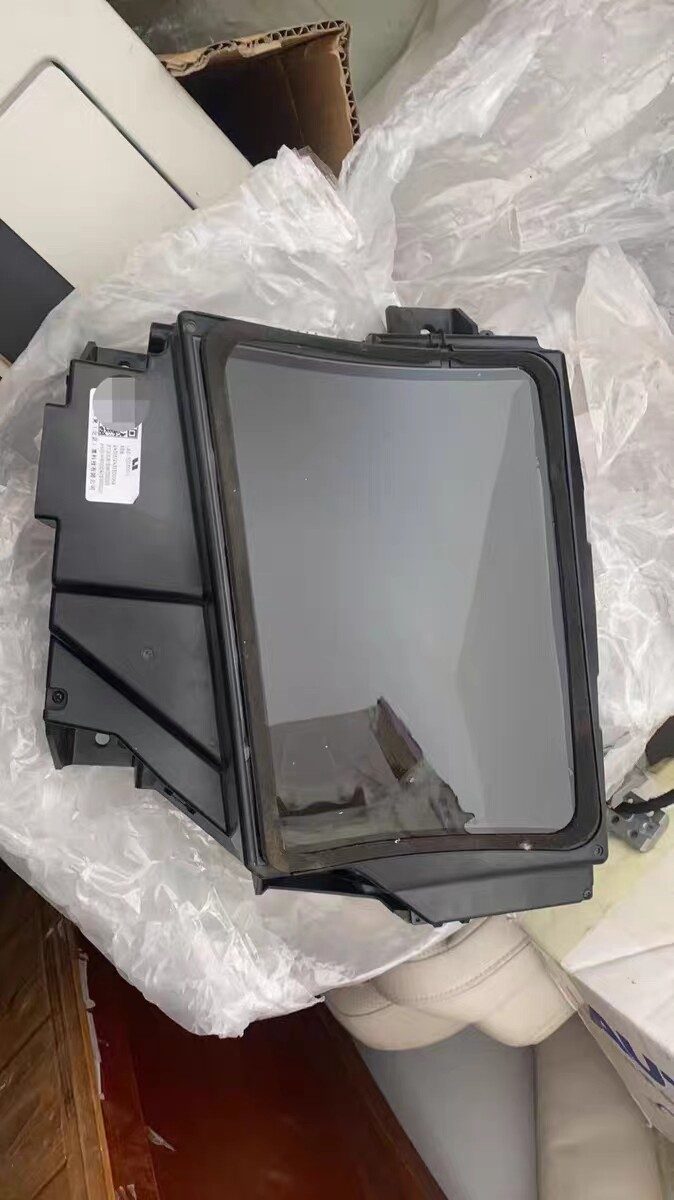
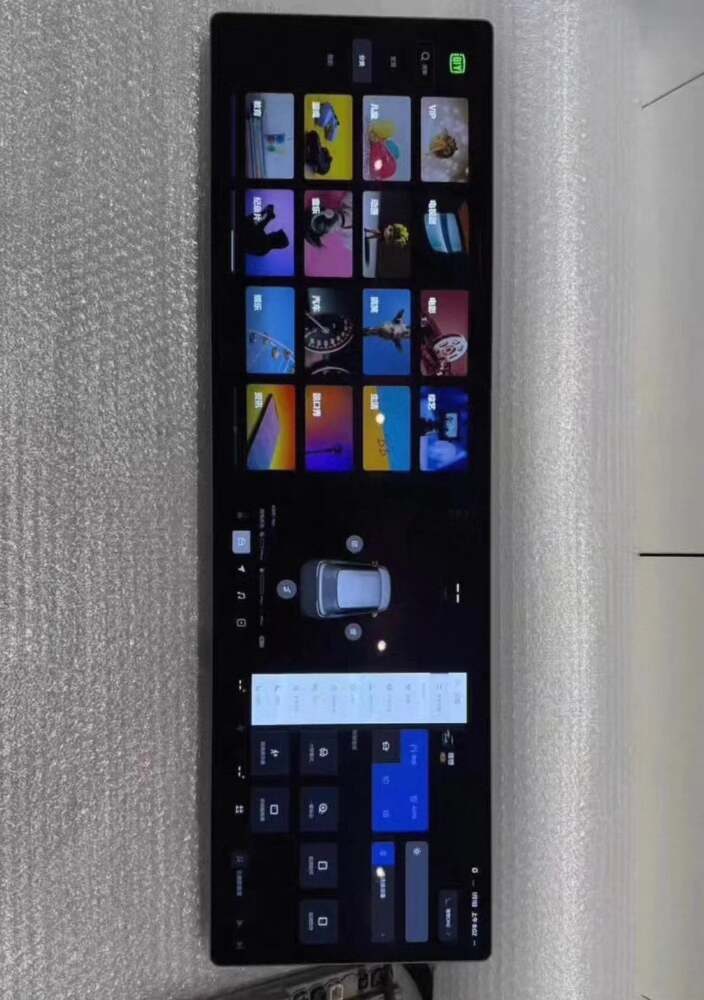
The driving block starts with the sensor head. A Hesai AT128 LiDAR supplies point-cloud data, with a separate LiDAR line used across the range, and the central computing unit processes it. The unit is described by Li Auto as a central computing power unit, and the Livis versions carry their own part numbers, which matters because the same name covers more than one hardware revision. The cockpit block is a head unit supplied by Desay SV and shared across L6, L7, L8, L9 and MEGA, with a separate Livis cockpit module built around a Qualcomm QAM8797P chip. The third block is the display layer: a centre display and centre-stack screen in the front, a head-up display in two forms, and a large ceiling-mounted rear screen on the MEGA Home version, listed as a 21.4-inch 3K panel.
Where the models separate
The split runs along the refresh line rather than the model number. The L9 and the Livis variants carry the central computing unit and the Livis cockpit module, and the refreshed edition adds an FSD module for driving assistance. Non-Livis cars use the shared Desay SV head unit and a simpler display set. The MEGA Home version is the outlier in the other direction, with a ceiling-mounted 21.4-inch rear screen and its own rear entertainment assembly. The i8 sits between the groups, carrying a head-up display but described with the later naming. Anyone buying across these families should expect parts to be family-specific rather than interchangeable.
Parts list 17 items
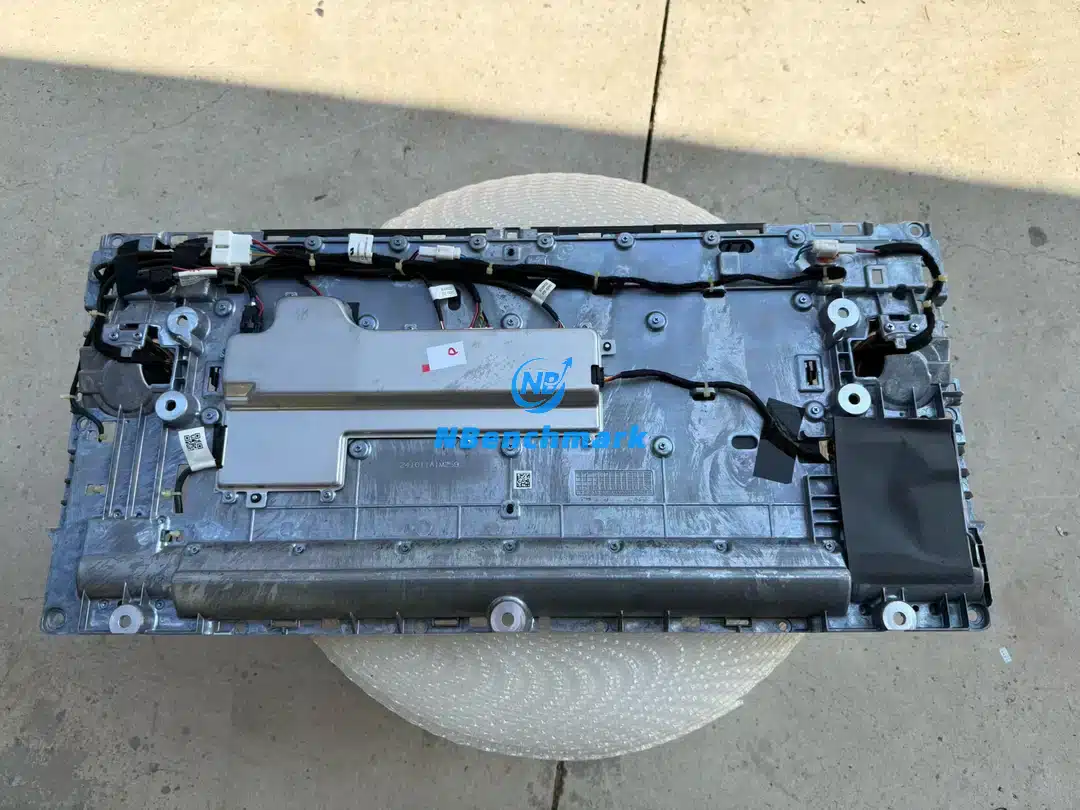
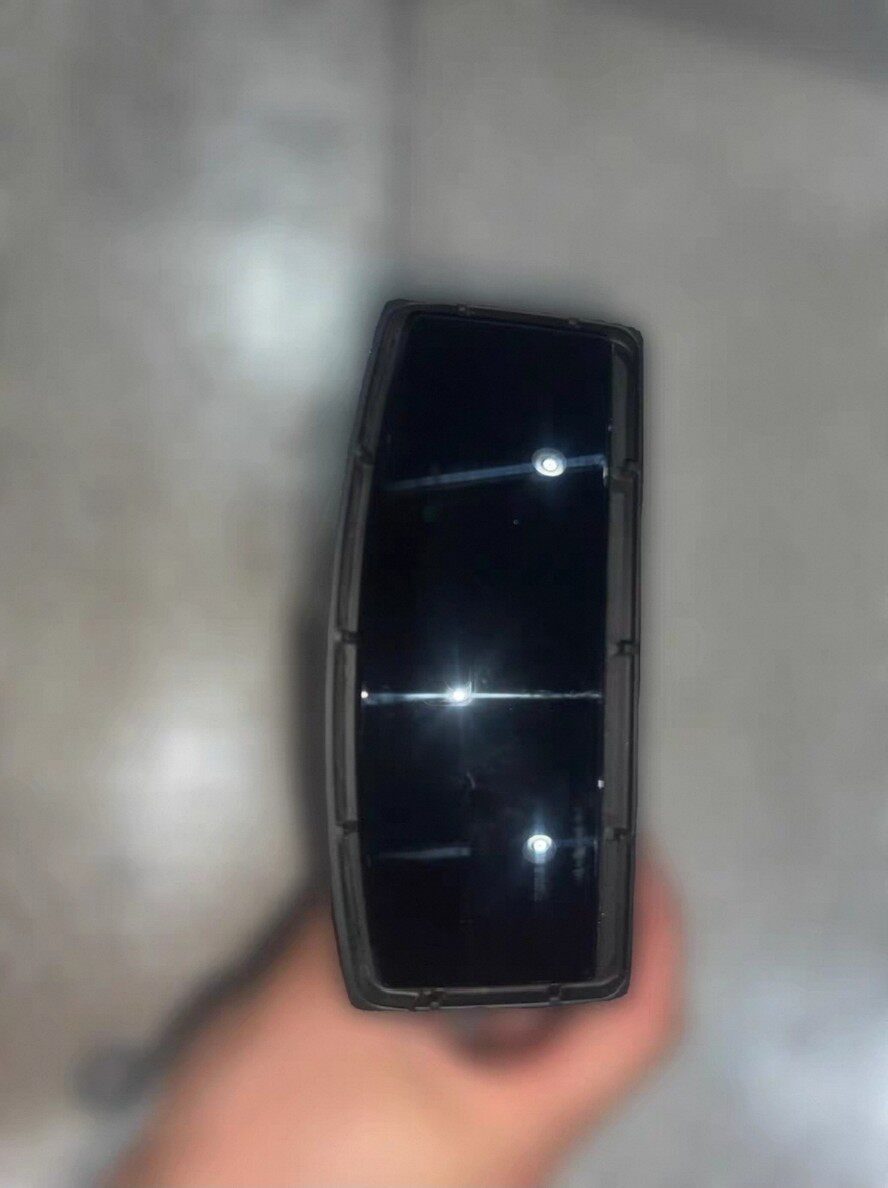
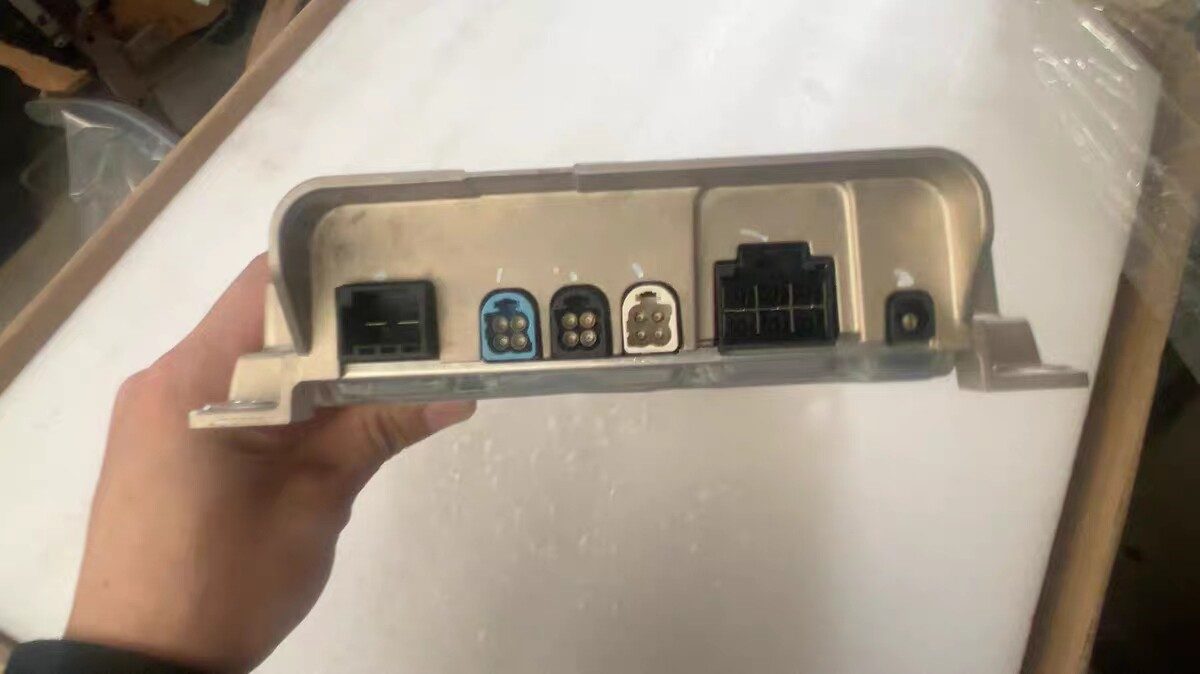
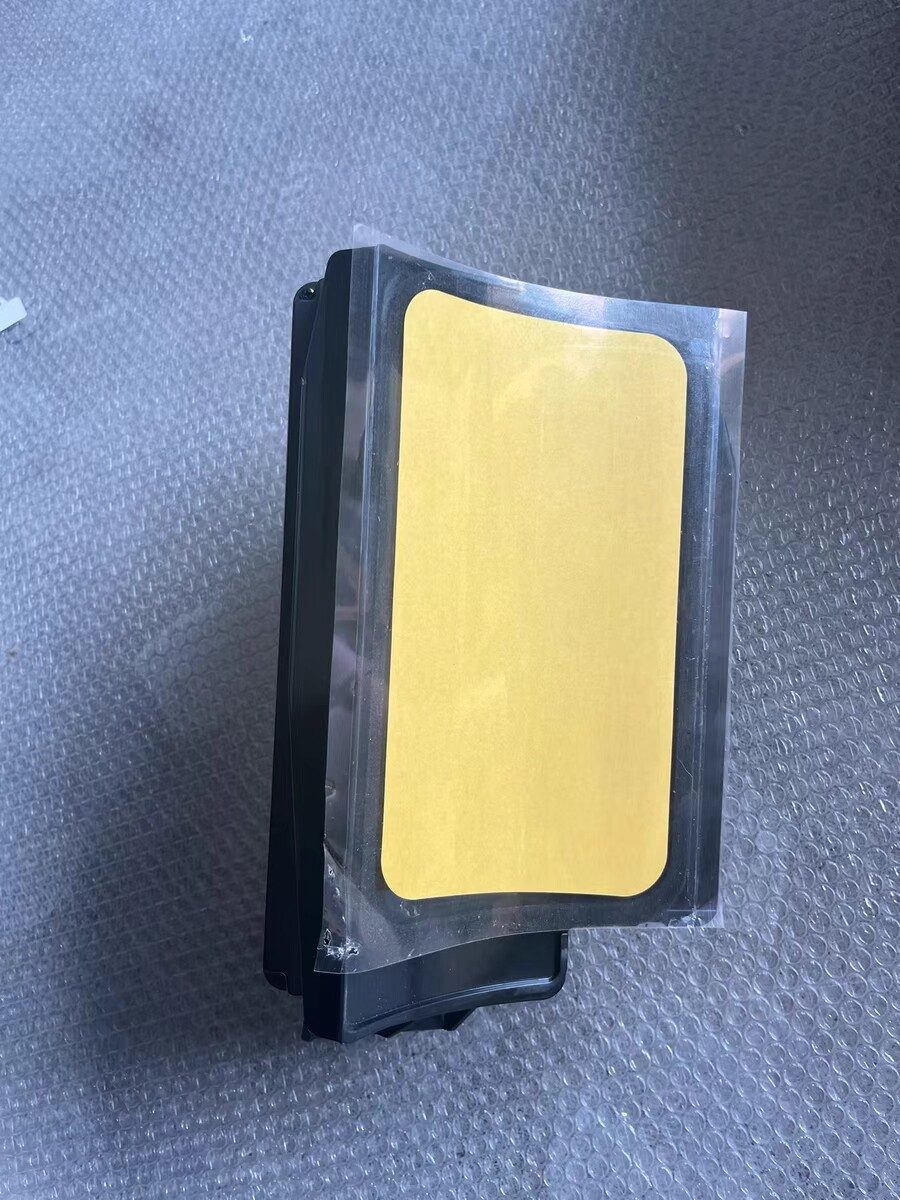
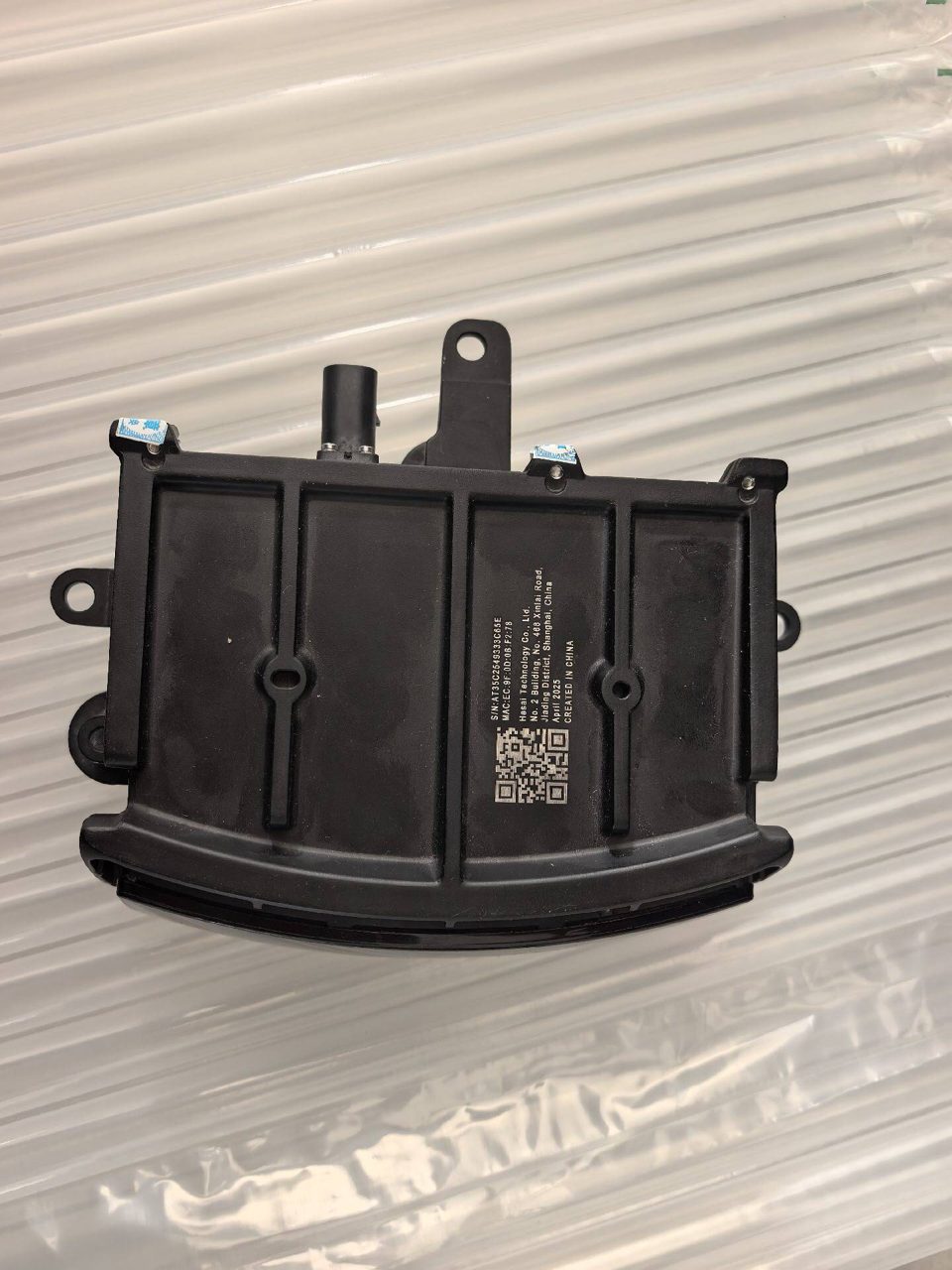
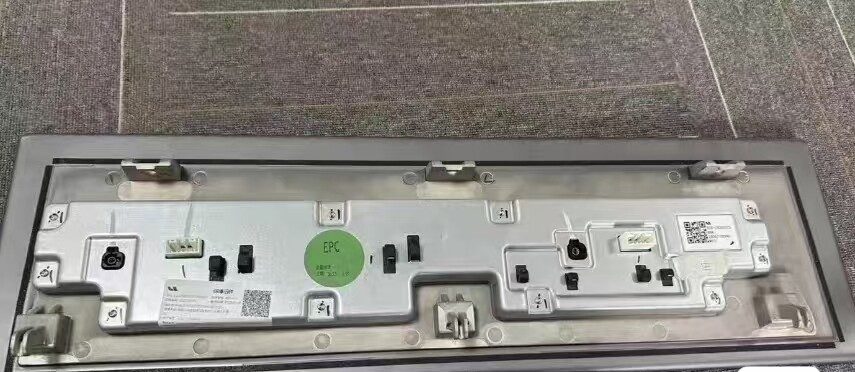
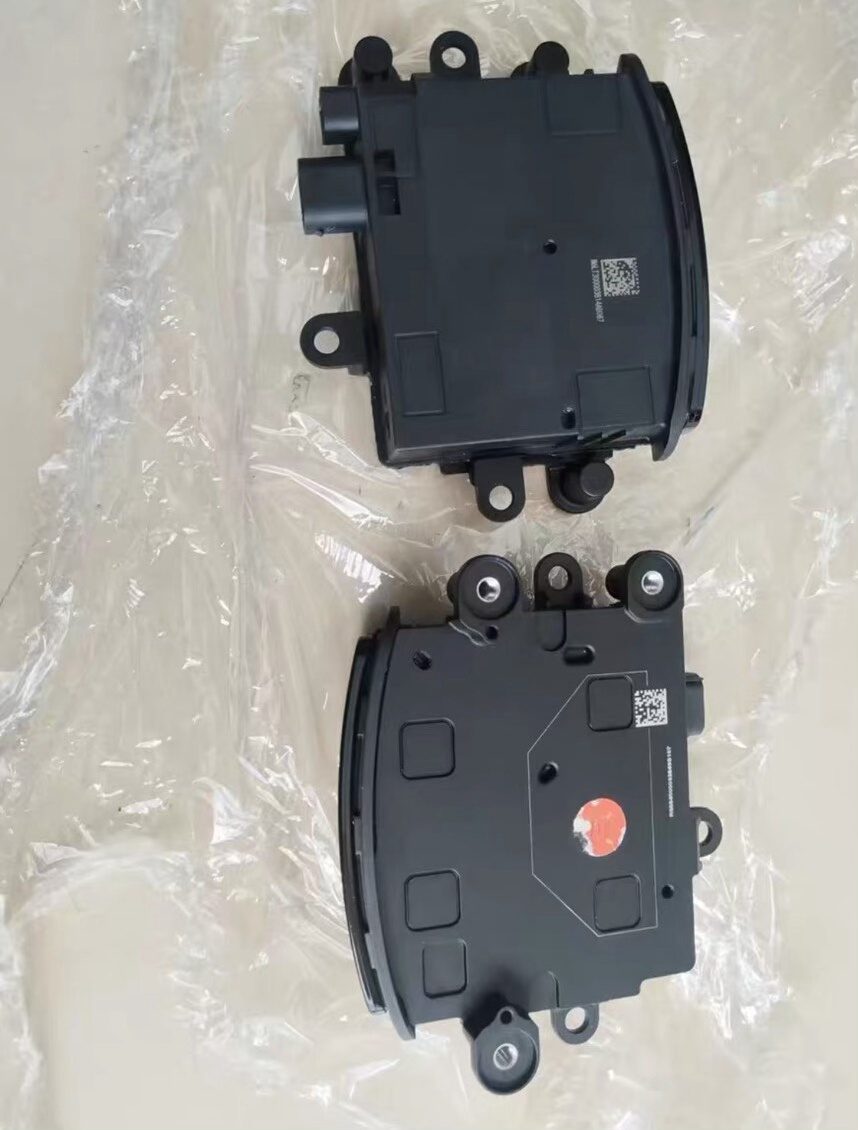
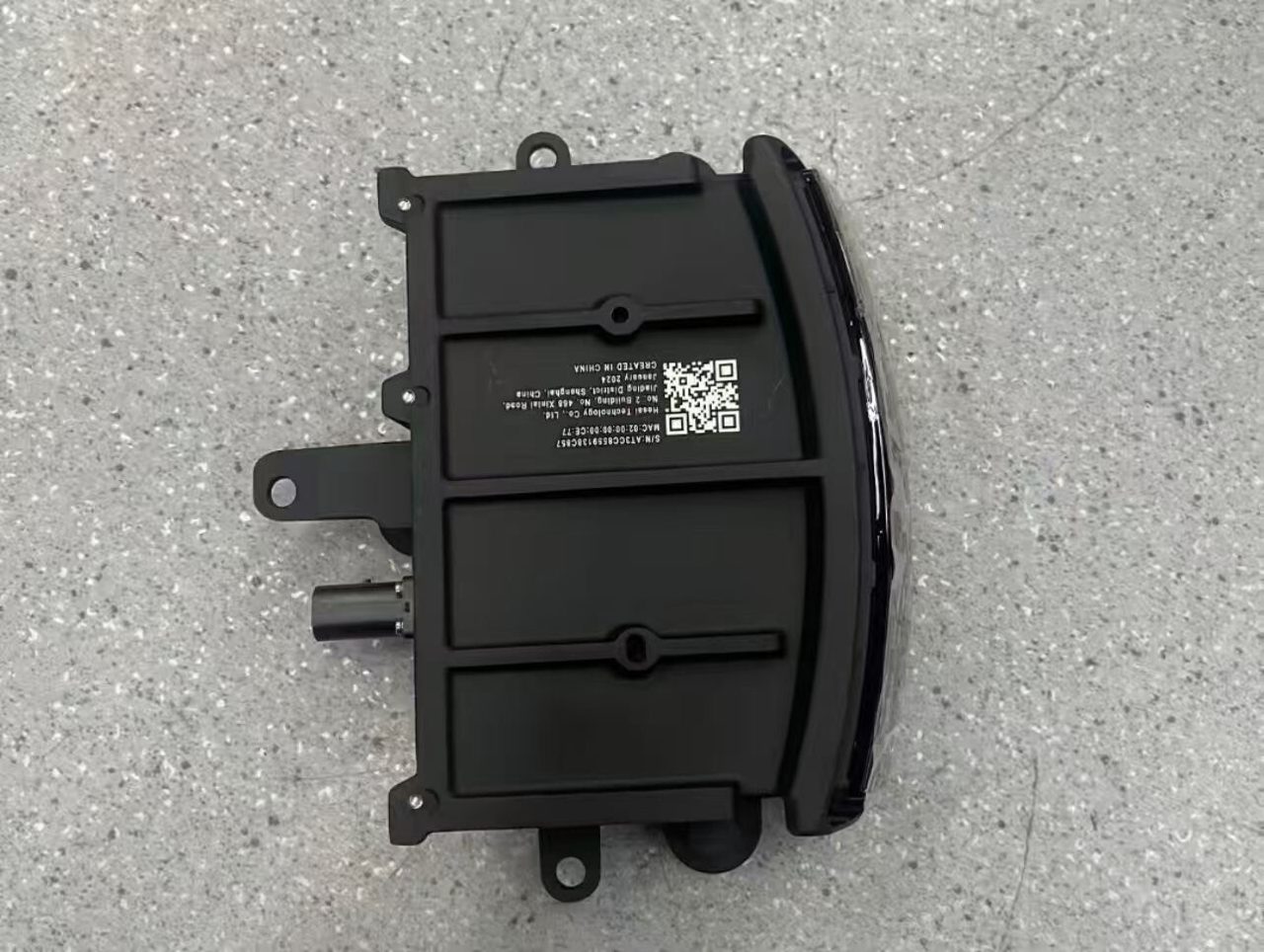
Each unit is photographed as removed from the donor vehicle. Livis and non-Livis parts look similar at a glance, so check the part number on the label before ordering.


Failure points worth checking
LiDAR is the part most often replaced on these cars, and the sensible checks are the optical window for chips or hazing and the mounting face for signs of a hard impact. The central computing unit is water-cooled on some versions, so ask whether the coolant ports are dry and undamaged, since a pulled fitting is easy to miss in photographs. Head units are the most configuration-sensitive item: a unit from a different trim may power up yet refuse to bind to the vehicle, so confirm the donor trim. Displays fail at the edge, where lamination lifts, and at the ribbon connector, so ask for a photograph of the panel edges. On the rear ceiling screen, check the hinge and the latch that holds it folded, because a worn latch leaves a rattle that no amount of software will fix.
Availability and enquiries
Units are single-stock items sold as removed, with condition stated per listing. Extra photographs, label close-ups and measured dimensions are available on request.
Send an enquiry