Leapmotor's approach is to build as much of the drive system in-house as possible, which makes this group unusually coherent: nearly every item traces back to one of two e-drive families. The D19 range-extender chain and the F19 integrated unit are the two poles, with the multi-in-one axles and the fusion controllers filling the space between.
How far the integration goes
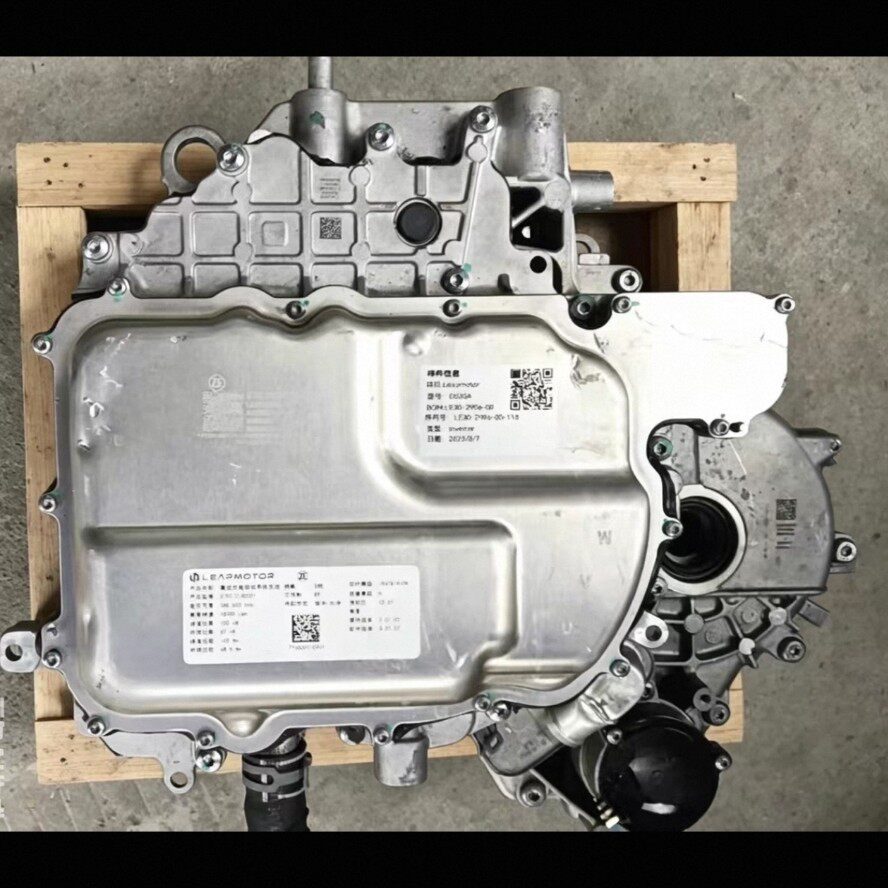
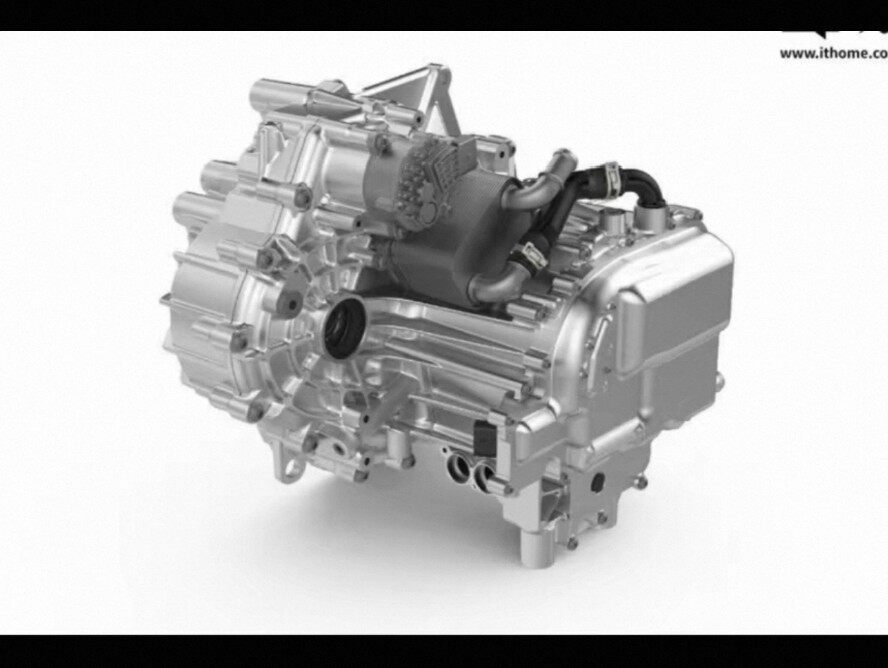
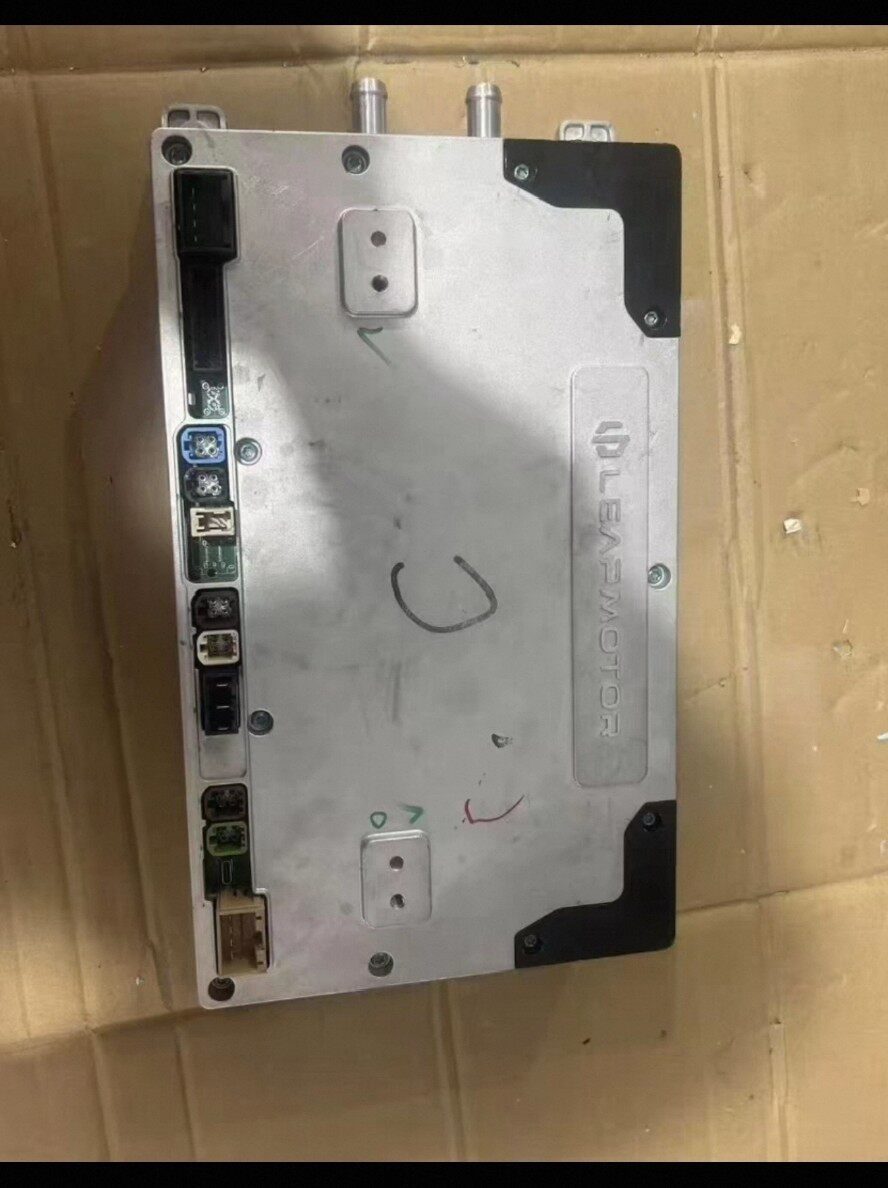
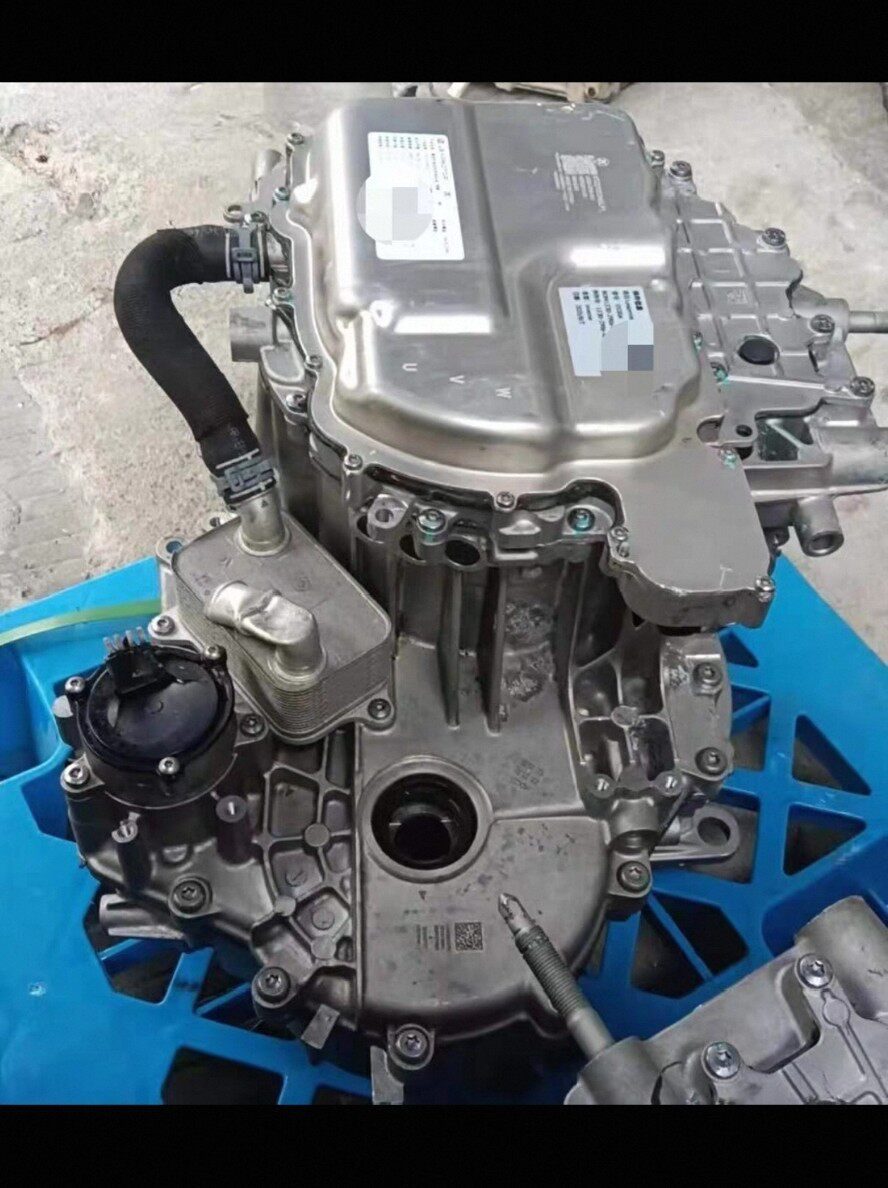
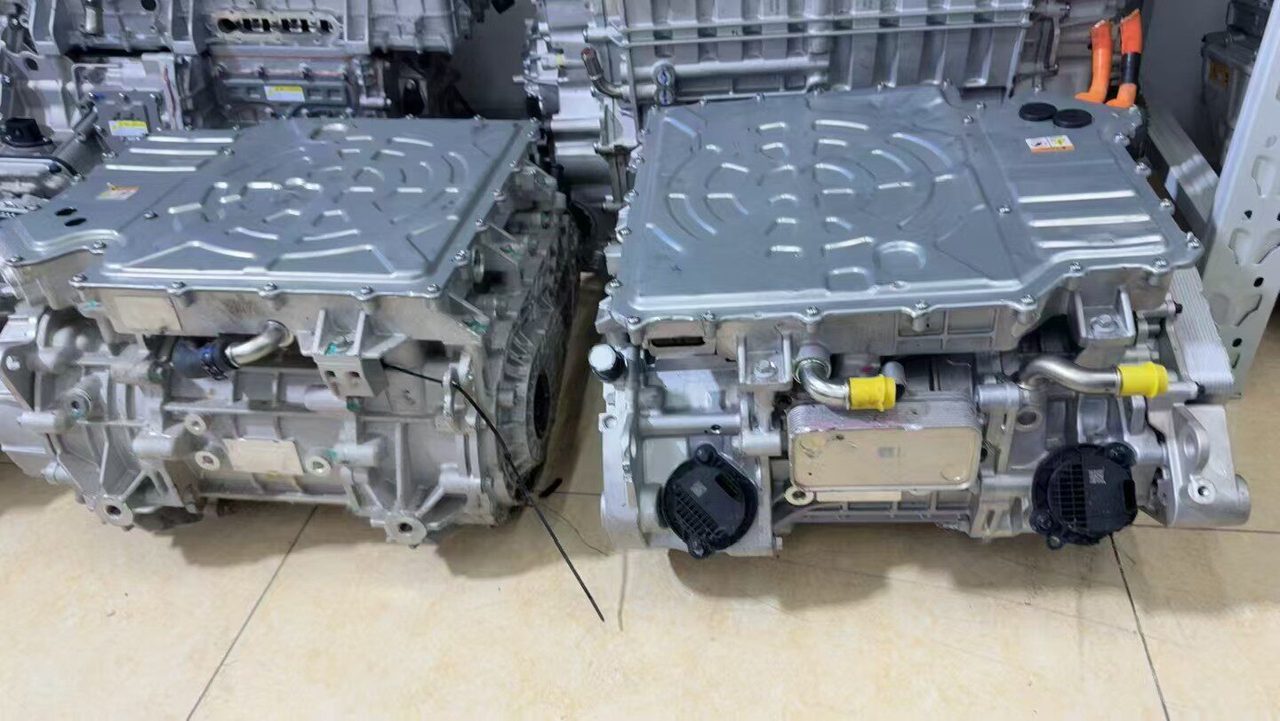
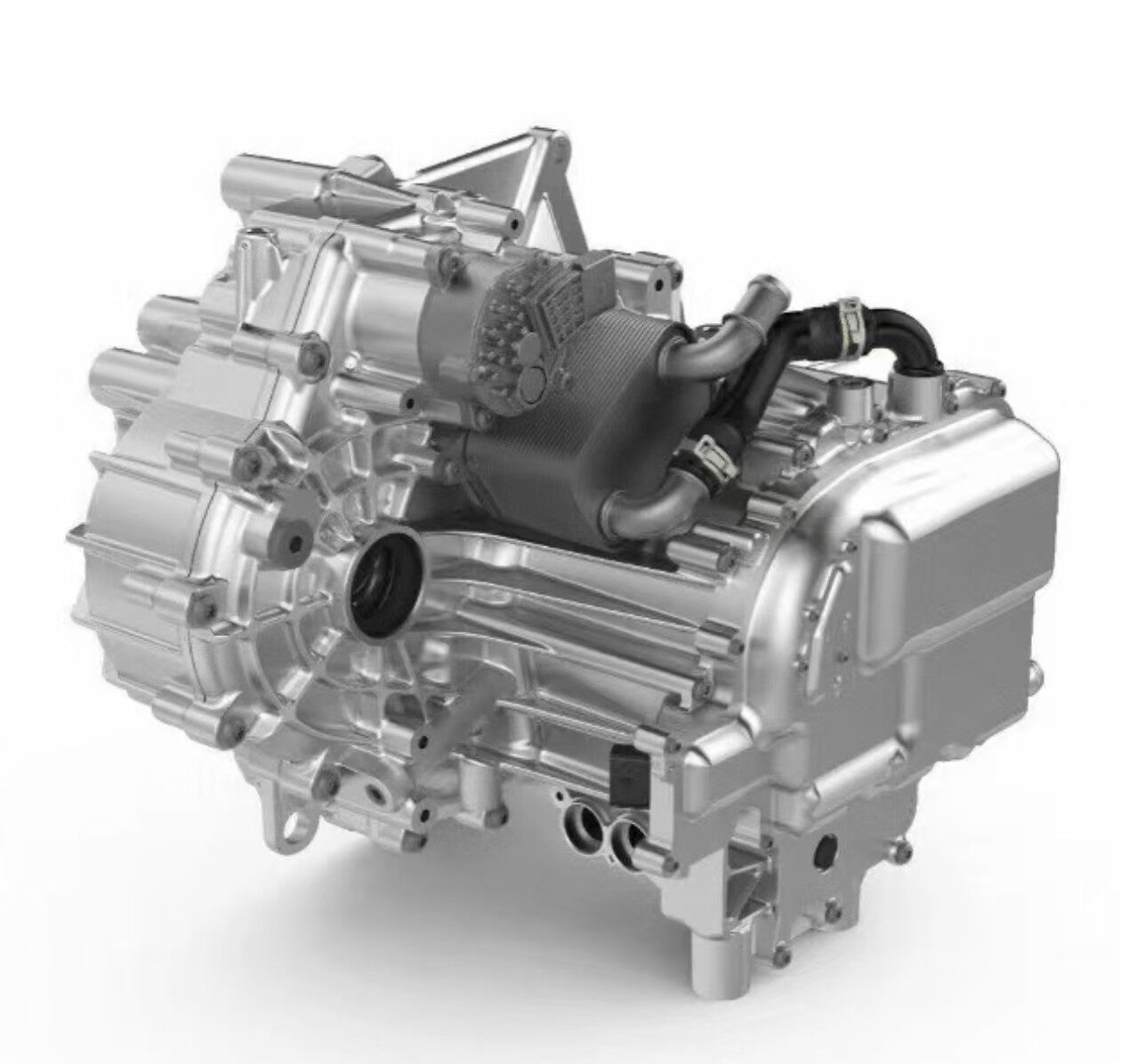
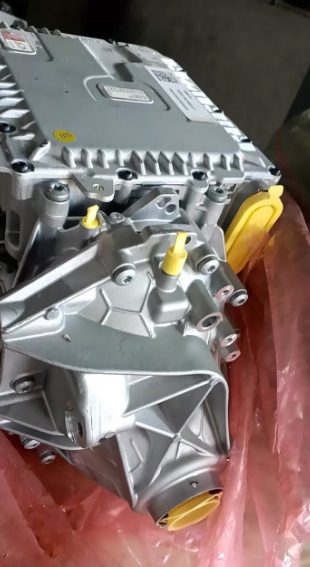
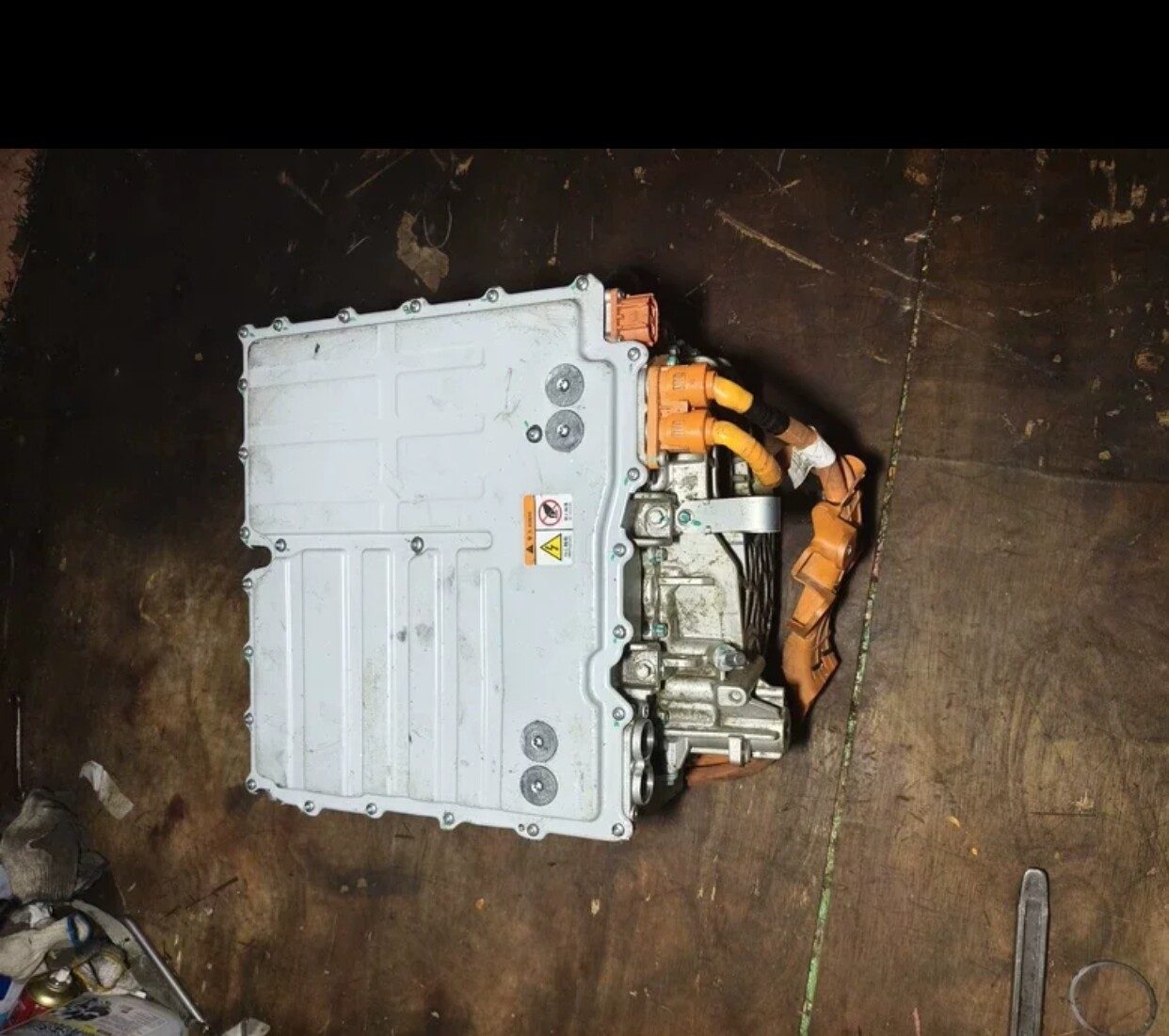
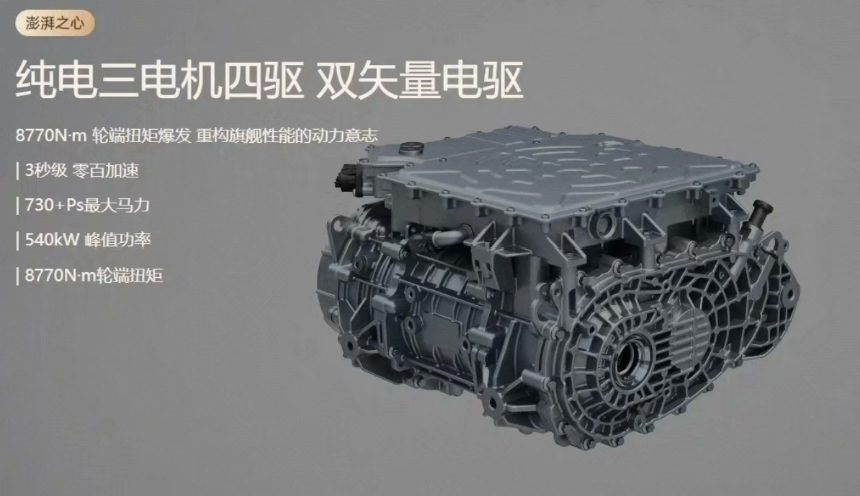
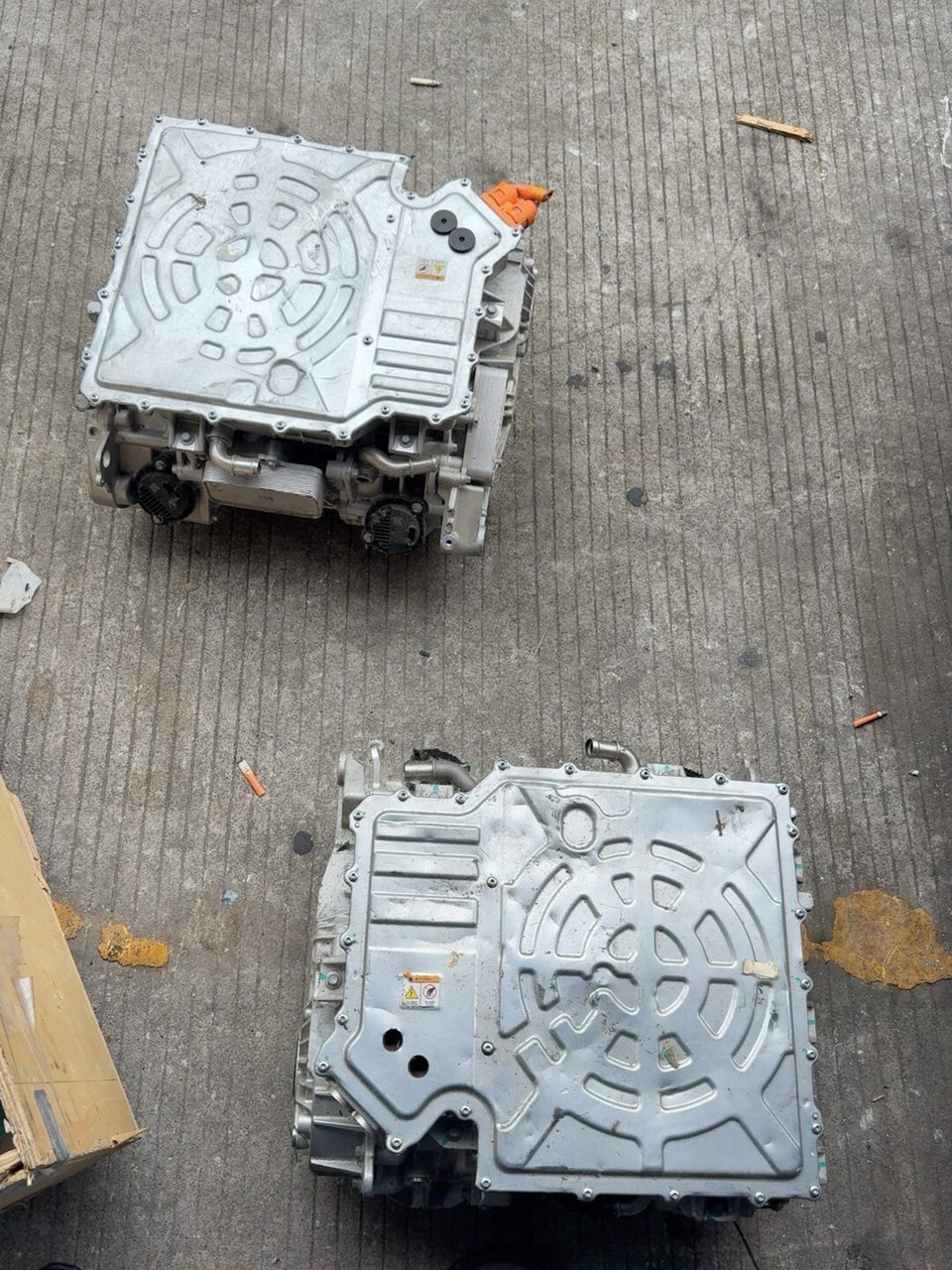
Three levels of integration appear. At the lowest level the D19 range-extender chain separates the work: a front motor assembly with its own part number, a generator, and a drive motor listed independently alongside the combined motor and generator set. In the middle sits the F19, described as an integrated electric drive system with a single part number covering the assembly. At the top are the all-in-one units used on the B10, B01 and Lafa5, where the motor, reduction gear, controller and differential share one housing, which is the packaging that makes a rear-drive platform cheap to build. The D19 also appears as a three-motor all-wheel-drive arrangement with dual-vector control, meaning left and right rear torque can be split. Computing sits in the same category: a multi-domain fusion controller on a Qualcomm 8797 and a driving controller combining 8295 and 8650 chips.
Reading the part numbers
Two numbering families do most of the work here. D19 and F19 appear in the part numbers as alphanumeric strings rather than model names, so the same physical family can be sold under several listings. The D19 front motor carries one number and the range-extender front motor carries another, which is the detail that matters if you are replacing one machine rather than the assembly. The 180 kW figure attached to one D19 drive motor is the clearest single specification in the group and is worth using as a cross-check. Integration level is the other axis: a buyer who needs only the motor should avoid the all-in-one units, since they cannot be economically separated in the field.
Parts list 11 items
Assemblies are photographed as removed and drained before dispatch. All-in-one units are supplied complete and are not sold split unless a listing says otherwise.
Failure points and verification
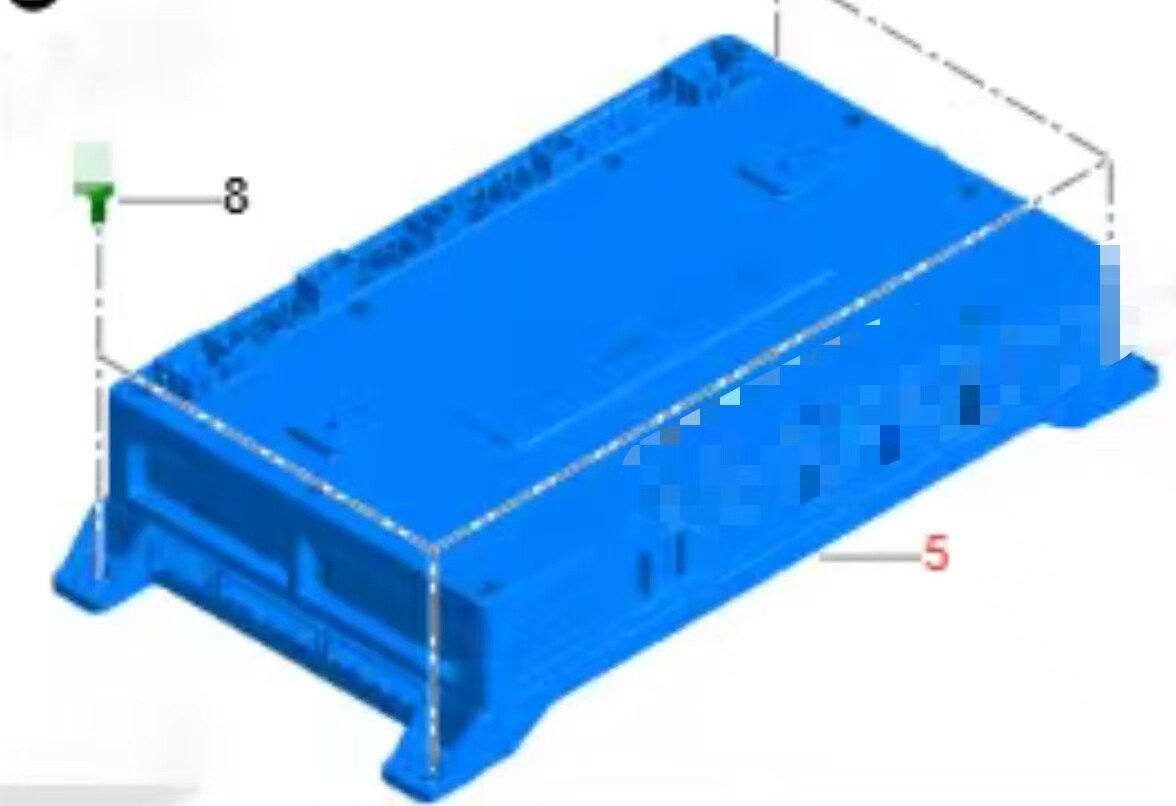
On a range-extender chain, establish which machine failed before buying, because the generator and the traction motor share a cooling and control path and a fault in one can be misread as a fault in the other. Ask for the stator to be photographed through the terminal opening and for the controller label to be readable. On all-in-one axles the practical checks are the oil seal at the output shaft and the condition of the coolant ports, since these units carry both oil and coolant and a mixed leak is the expensive one. Three-motor and dual-vector arrangements should be checked for whether the listing covers one motor or the set, and for the presence of the torque-splitting hardware, which is often the first thing separated out in salvage. Fusion and driving controllers are configuration-bound, so match the chip markings, 8797, 8295 or 8650, against the donor vehicle before ordering.
Availability and enquiries
Units are held singly and sold as removed, with condition stated per item. Part-number photographs, chip-marking close-ups and measured dimensions are available on request.
Send an enquiry